
Tuineje gives travellers a different view of Fuerteventura from the better-known resort corridors. The municipality includes the everyday coastal town of Gran Tarajal, the smaller resort and fishing setting of Las Playitas, rural inland settlements and one of the island’s most dramatic lighthouse viewpoints. It is a good choice for visitors who want beaches without feeling completely surrounded by tourism.
This Tuineje travel guide is designed for independent travellers who want more than a list of sights. It explains how the area fits into a wider Fuerteventura itinerary, which stops combine naturally, when a car is useful and how to keep the day realistic. For wider planning, start with our Fuerteventura travel guide.
Why visit Tuineje?
Tuineje suits independent road trippers, repeat visitors, active travellers and anyone looking for a less resort-dominated side of Fuerteventura. The main reason to include it is variety without excessive distance: you can usually combine a town or village walk with nature, a viewpoint, a beach or another nearby settlement. That balance makes the destination useful both as a day trip and as part of a multi-day road itinerary.
The best visits are selective. Instead of trying to collect every viewpoint or minor attraction, choose two or three places that fit the weather and your interests. Mountain clouds, wind, heat and Atlantic swell can all change quickly in the Canary Islands, so a flexible route usually produces a better day than a rigid schedule.
A little history and local character
Agriculture, livestock and fishing shaped Tuineje long before tourism. The municipality is also associated with the 18th-century battles of Tamasite, remembered locally as part of Fuerteventura’s history. Inland windmills and traditional settlements reveal how communities adapted to a dry, windy environment.
For visitors, that background matters because it explains why Tuineje does not feel like a purpose-built resort. Traditional architecture, agricultural terraces, fishing areas or volcanic landscapes remain part of daily life. Respect residential streets, working land and local access signs; the most rewarding experiences here come from observing the place rather than treating it as a theme park.
Best things to do in Tuineje
Gran Tarajal
Gran Tarajal is a real working town with a broad dark-sand beach, promenade, shops and restaurants. It is useful for travellers who value practical services and local atmosphere over resort styling.
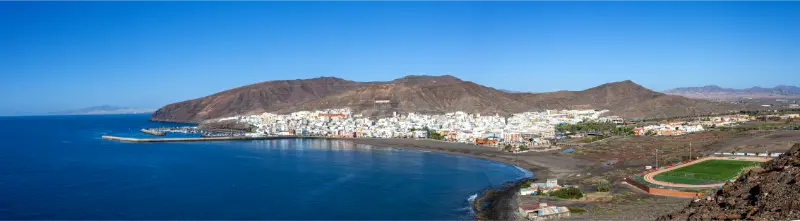
Allow enough time to enjoy gran tarajal without rushing straight back to the car. A short walk, a viewpoint stop or a drink nearby often adds more to the experience than squeezing in another distant attraction. If conditions are poor, keep a lower-altitude or more sheltered alternative in mind.
Las Playitas
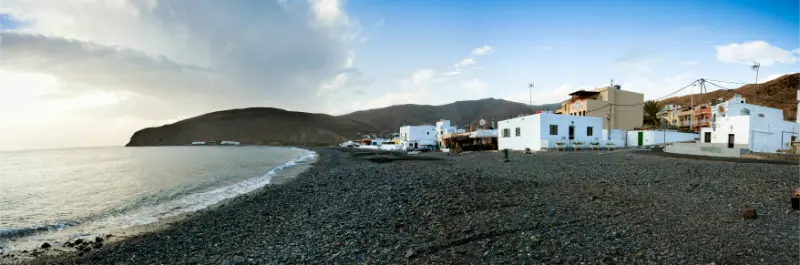
A few kilometres away, Las Playitas sits around a curved bay beneath whitewashed slopes. It has a quieter feel than major resorts and is popular with active travellers, while the older fishing character remains visible around the waterfront.
Allow enough time to enjoy las playitas without rushing straight back to the car. A short walk, a viewpoint stop or a drink nearby often adds more to the experience than squeezing in another distant attraction. If conditions are poor, keep a lower-altitude or more sheltered alternative in mind.
Faro de la Entallada
The lighthouse stands high above the east coast and is reached by a scenic road. The viewpoint is spectacular in clear weather, but the final approach can feel exposed and windy, so drive conservatively.
Allow enough time to enjoy faro de la entallada without rushing straight back to the car. A short walk, a viewpoint stop or a drink nearby often adds more to the experience than squeezing in another distant attraction. If conditions are poor, keep a lower-altitude or more sheltered alternative in mind.
Tuineje and Tiscamanita
The inland villages show a drier, agricultural side of the municipality. Windmill heritage and small cultural sites help explain how grain production and rural life developed on Fuerteventura.
Allow enough time to enjoy tuineje and tiscamanita without rushing straight back to the car. A short walk, a viewpoint stop or a drink nearby often adds more to the experience than squeezing in another distant attraction. If conditions are poor, keep a lower-altitude or more sheltered alternative in mind.
Tarajalejo and the southeast coast
Tarajalejo adds another low-key beach base with a long bay and easy road access. It works particularly well as a stop when travelling between Costa Calma and Gran Tarajal.
Allow enough time to enjoy tarajalejo and the southeast coast without rushing straight back to the car. A short walk, a viewpoint stop or a drink nearby often adds more to the experience than squeezing in another distant attraction. If conditions are poor, keep a lower-altitude or more sheltered alternative in mind.
Best nearby places to combine with your visit
Betancuria and Pájara are natural inland extensions, while Costa Calma and Jandía lie farther south. The east-coast road makes Tuineje easy to include in a north-south Fuerteventura itinerary.
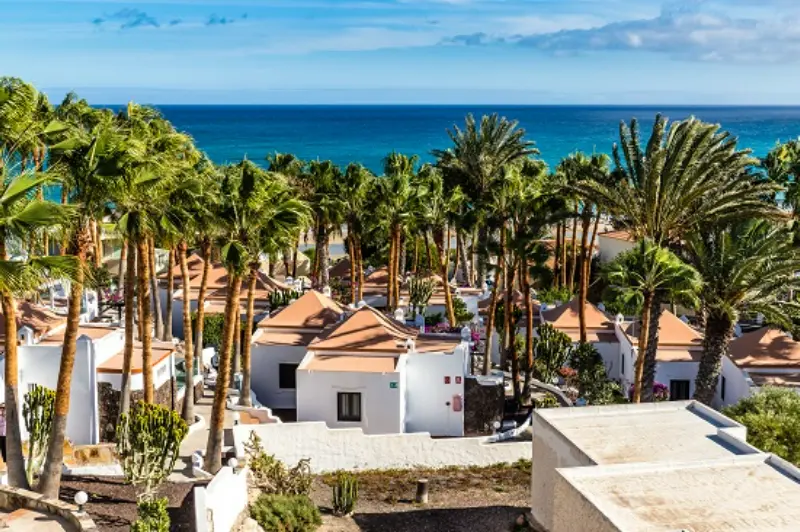
A useful rule on Fuerteventura is to group stops by geography rather than by fame. Roads can be steep, narrow or winding, and a 20-kilometre transfer may take longer than expected. Build one coherent loop, leave room for photo stops and avoid crossing the island repeatedly just to tick off isolated sights.
Beaches, swimming and the coast
Even when Tuineje is not primarily a beach destination, the Atlantic coast is rarely far away. Check our Pájara travel guide where relevant to compare the best swimming options on the island. Volcanic beaches and natural pools can be beautiful, but conditions deserve respect: swell, currents and slippery rock can make a place unsuitable on a given day.
If swimming is important, plan it as a flexible part of the day rather than a fixed promise. Choose managed beaches or clearly sheltered pools when travelling with children or weak swimmers, and never enter the water simply because other people are doing so.
Hiking and nature
The landscapes around Tuineje reward walkers, but difficulty depends as much on elevation, exposure and surface as on distance. Carry water, sun protection and a light layer; on higher routes, temperatures can be dramatically cooler than at the coast. After rain or strong wind, check trail status before setting out.
Protected areas may have reservation systems, temporary closures or route restrictions. Use official island or park information for the final check, especially if a trail or viewpoint is the main reason for your visit. Staying on marked paths also protects fragile volcanic soils and endemic vegetation.
Where to eat in Tuineje
Gran Tarajal is one of the best places in the municipality for an unfussy local meal. Look for fish, Majorero cheese, goat dishes and Canarian staples rather than expecting a polished resort-only restaurant scene.
Lunch is often the easiest meal to build around a road trip. In smaller towns, opening days and hours can be less predictable than in resorts, so keep one backup option. If you see a short menu based on local produce, that is often a better sign than a very long menu designed to cover every possible cuisine.
Where to stay in Tuineje
Stay in Gran Tarajal for services and everyday town life, Las Playitas for a quieter active-holiday base, or Tarajalejo for a simple beach setting. Costa Calma offers a larger resort choice if facilities matter more than local atmosphere.
Before booking, compare the area with our Costa Calma travel guide. A central location can reduce driving, but a rural house may give you the quietest evenings and strongest sense of place. On steep islands, also check parking access and whether luggage must be carried along steps or narrow lanes.
How to get around
A rental car is usually the most flexible way to explore Tuineje and the surrounding parts of Fuerteventura, particularly if you want viewpoints, trailheads or smaller villages. Read our driving in the Canary Islands before collecting a car, especially if you are not used to mountain roads.
Public transport can work for major towns and selected coastal areas, but it is less convenient for multi-stop sightseeing. When using buses, build the day around the timetable rather than assuming urban-style frequency. Taxis are useful for short transfers, but repeated long rides can cost more than a rental car.
How long do you need in Tuineje?
For the central settlement and one nearby highlight, half a day can be enough. A full day is better if you want to combine several of the places above without rushing. If Tuineje is your accommodation base, two or three nights give you time to explore the wider area and adapt to weather.
- 2–3 hours: central walk, coffee or lunch, and one nearby viewpoint.
- Half day: town plus one substantial natural or coastal stop.
- Full day: a coherent loop with three or four stops and a relaxed meal.
- 2+ nights: best for travellers using the area as a base for the surrounding region.
A realistic one-day itinerary
Start in the morning with Gran Tarajal, when parking is usually easier and the light is softer. Continue to Las Playitas before lunch. In the afternoon, make Faro de la Entallada the main scenic stop, then finish with a short coastal walk, viewpoint or café rather than adding a long detour.
This order is intentionally flexible. Reverse it when cloud, wind or sea conditions favour the coast early, and always prioritise any attraction with a fixed reservation time. The goal is a day that still feels enjoyable if one stop takes longer than expected.
Visiting with children
Tuineje can work well for families when the day includes frequent breaks and avoids too much time in the car. Short town walks, viewpoints and easy coastal stops are usually more successful than a long sequence of adult-focused sights. For broader ideas, see our family guide to Fuerteventura with kids.
Carry snacks, water and an extra layer even on sunny days. Never assume natural pools, cliff viewpoints or volcanic terrain are child-proof; barriers and surfaces vary, so supervision matters more than the popularity of the place.
Best time to visit
Tuineje can be visited year-round, but the experience changes with altitude, wind and exposure. Winter is often excellent for walking at lower levels, while summer brings stronger sun and, in some areas, more wind. Mountain cloud can appear even when the coast is bright, so check the forecast for the exact zone rather than the island as a whole.
Spring and autumn are especially comfortable for mixed itineraries that combine villages, hiking and the coast. During local festivals, school holidays and major events, accommodation and parking can be busier; if your dates are fixed, book the most important elements early.
Practical tips before you go
- Download an offline map before driving into mountain or rural areas.
- Carry water, sunscreen and a light layer; weather can change quickly with altitude.
- Park only in designated or clearly safe places and never block narrow village roads.
- Check official information for trail closures, permits, attraction hours and sea warnings.
- Fill the fuel tank before remote loops and do not assume every small village has a petrol station.
- Leave buffer time: scenic roads are part of the trip, not wasted transfer time.
Frequently asked questions
Is Tuineje worth visiting?
Yes, particularly if you are interested in Tuineje suits independent road trippers, repeat visitors, active travellers and anyone looking for a less resort-dominated side of Fuerteventura. It is most rewarding when combined with nearby scenery rather than treated as an isolated stop.
Do you need a car for Tuineje?
Not always for the main settlement, but a car makes the wider municipality much easier to explore. If you plan to rely on buses, check the timetable before choosing accommodation or committing to a multi-stop day.
Can you visit as a day trip?
Yes. A full day is usually enough for the highlights if you group them logically. Avoid trying to combine distant corners of the island in the same day simply because the road distance looks short.
What should you pack?
Comfortable shoes, water, sunscreen, sunglasses and a light layer cover most itineraries. Add swimwear for coastal plans and sturdier footwear for trails. Keep reservations and important confirmations available offline.
Final advice
Tuineje works best when you allow the landscape to set the pace. Choose a few meaningful stops, connect them with one logical route and leave room for weather, local meals and unplanned viewpoints. That approach will show you more of Fuerteventura than a rushed checklist ever could.