
A Tenerife road trip is the best way to understand how many different islands seem to exist inside one island. In a single week you can move from subtropical laurel forest to high-altitude volcanic desert, from historic towns to black-sand coves and from quiet mountain roads to the sunny resort coast. The secret is not trying to see everything: Tenerife is larger and more topographically complex than it looks on a map.
For seven days, either stay in two bases or accept some longer drives. A practical split is three or four nights in the north around Puerto de la Cruz or La Laguna and the remaining nights in the south-west around Costa Adeje, Los Cristianos or Los Gigantes. One hotel can work, but crossing the island repeatedly wastes the best morning light and turns scenic days into commuting.
The 7-day route at a glance
- Day 1: Santa Cruz and La Laguna
- Day 2: Anaga Rural Park
- Day 3: Puerto de la Cruz, La Orotava and Garachico
- Day 4: Teide National Park
- Day 5: Masca and Los Gigantes
- Day 6: south-coast beach day
- Day 7: choose your final Tenerife
Day 1: Santa Cruz and La Laguna
Start gently with Tenerife’s metropolitan north-east. Walk Santa Cruz for the market, seafront and everyday city atmosphere, then continue to San Cristóbal de La Laguna, whose historic grid and colourful façades make an easy introduction to the island’s colonial-era urban heritage. Parking is simpler if you use a public car park at the edge of the old centre rather than following navigation through narrow streets.
Stay nearby or drive to Puerto de la Cruz. Do not add Teide on arrival day; altitude and mountain roads deserve a fresh start.
Day 2: Anaga Rural Park
Use the morning for Anaga, where steep ridges and ancient laurel forest create one of Tenerife’s most distinctive landscapes. Stop only at designated viewpoints and choose a walk that fits the weather and your footwear. Cloud and mist are part of Anaga’s character, not necessarily a reason to cancel.
Finish with a coastal stop such as Taganana or the north-east beaches if conditions are suitable. Some protected trails and zones can have access rules, so check current official information before setting out.
Day 3: Puerto de la Cruz, La Orotava and Garachico
Explore the north coast at a slower pace. Puerto de la Cruz works well for breakfast and a seafront walk, La Orotava adds historic houses and gardens, and Garachico gives you volcanic history and natural pools. You can visit all three in one day, but only if you are happy to keep the cultural stops selective.
If swimming at Garachico is part of the plan, follow flags and local closures. Atlantic conditions can make natural pools unsafe even when the weather inland looks calm.
Day 4: Teide National Park
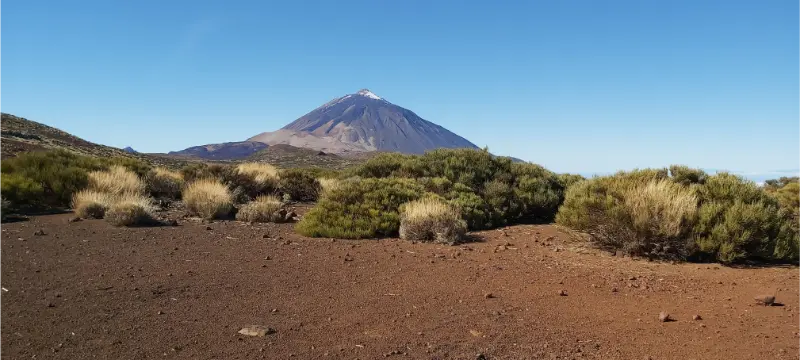
Make Teide the centrepiece of the week. Drive up early, allowing time for temperature and altitude to change dramatically as you climb. Roques de García, the caldera landscape and multiple viewpoints can create a rewarding day even without taking the cable car or attempting the summit.
Some high-altitude trails require advance reservations or permits. The summit path to Pico del Teide is regulated, and access requirements can change, so confirm them on the official channels rather than relying on old screenshots or travel forums.

Day 5: Masca and Los Gigantes
Approach the west with patience. Masca is worth visiting for the village and Teno landscape even if you are not hiking the gorge. The regulated Barranco de Masca experience requires advance organisation and should never be treated as an improvised stop.
Continue to Los Gigantes for cliff views, a marina walk or a whale-watching trip. If a boat excursion matters to you, schedule it early enough in the holiday that wind or swell can be accommodated with a change of day.
Day 6: south-coast beach day
After several driving days, stay close to the south. Costa Adeje, Los Cristianos and nearby beaches make it easy to reduce the pace, swim, walk the promenade and enjoy a long lunch. This is also the right place to do a family attraction or water activity without another mountain crossing.
A road trip is better when one day is deliberately easy. Leave the car parked for several hours and enjoy the fact that Tenerife is also a beach holiday destination.
Day 7: choose your final Tenerife
Use the last day according to what the week revealed. Return to a favourite coast, take a whale-watching trip, explore El Médano and La Tejita, or spend more time in the north. If your flight leaves from Tenerife South, keep the final afternoon geographically sensible.
Do not plan a remote hike before a flight. Road incidents, mountain weather and simple tiredness are poor companions to an airport deadline.
How to plan the driving days
Road-trip planning in the Canary Islands should be based on time and terrain, not kilometres alone. A thirty-kilometre mountain leg can take longer and demand more concentration than a much longer motorway section. Navigation apps are useful for estimates, but local signs, road closures and actual conditions always take priority.
Use the smallest rental car that comfortably fits your passengers and luggage. Smaller vehicles are easier in historic centres and village parking. Photograph the car at collection, understand the fuel policy and read the contract before assuming that every unpaved road is covered by insurance.
Parking without ruining the day
For historic centres, beaches and major viewpoints, it is usually better to use a signed public car park and walk the final few minutes. Searching for a perfect free space beside the attraction often wastes more time than it saves. Never block access roads, bus turning areas or emergency routes for a photograph.
At trailheads and protected landscapes, parking rules are part of conservation management. If an area has a reservation, shuttle or capacity system, plan around it instead of looking for a way around it.
What to keep in the car
A compact road-trip kit makes a surprising difference: water, sunscreen, a hat, a light warm layer, closed shoes, a phone cable, a small reusable bag for rubbish and offline maps. On mountain islands, add a warmer layer than the coast seems to justify. On Fuerteventura and Lanzarote, wind protection can matter as much as temperature.
Do not leave passports, electronics or visible luggage in a parked car. On hotel-change days, choose monitored parking where possible and organise the itinerary so the fully loaded vehicle is not sitting for hours at an isolated trailhead.
Should you book attractions before the road trip?
Reserve experiences with limited capacity, fixed departure times or regulated access. Examples can include summit trails, popular protected-area entries, ferries, whale-watching boats and special guided visits. Ordinary beaches and town walks are better left flexible because weather may suggest changing the order of your week.
Keep screenshots or offline copies of essential reservations. Mobile coverage is generally good, but ravines and remote roads are exactly where you do not want a booking confirmation to depend on a weak signal.

Driving etiquette and safety
Canary Islands roads are generally straightforward, but mountain routes demand patience. Keep to your lane, avoid sudden photo stops, let local traffic pass at safe opportunities and do not follow navigation instructions into a narrow street if signs indicate a restriction.
Never schedule a difficult mountain drive immediately after a long-haul flight if you are exhausted. The scenery will still be there in the morning, and beginning the holiday rested produces better decisions.
When to do a Tenerife road trip
Tenerife can be explored throughout the year, but the best week depends on what you want to do. Winter is popular for mild weather, while spring and autumn are excellent for combining walking and coast time. Summer brings stronger sun and, in some areas, more heat or wind. Microclimates mean the weather at your accommodation may not represent conditions in the mountains or on the opposite coast.
Build one flexible half-day into the plan. If cloud hides a mountain viewpoint or wind affects a boat trip, move that activity rather than forcing it into poor conditions. A road trip is valuable precisely because it gives you that freedom.
Useful guides for the same trip
For more detail, read Tenerife travel guide, Teide National Park guide and Anaga Rural Park guide. Using destination guides together with an itinerary is more useful than trying to place every attraction into one article.
How much driving should you expect?
A seven-day Tenerife itinerary should not be measured by total kilometres alone. The important question is how many hours you want to spend concentrating on roads each day. Mountain bends, village traffic, parking searches and scenic stops all add time that a route planner does not fully capture. If two major sights sit on opposite sides of the island, separating them usually produces a better holiday than proving they can technically be visited on the same date.
Start the longest scenic days after breakfast rather than after a slow hotel morning, then finish before fatigue becomes part of the drive. On easier coastal days, leave the schedule loose enough for a swim, lunch or viewpoint you did not plan. That balance is what turns a rental car into freedom instead of another timetable.
Frequently asked questions
Is seven days enough?
Yes. Seven days is enough to understand the main contrasts of Tenerife if you choose one coherent route and accept that some smaller attractions will wait for another trip. A rushed “everything” itinerary is usually less satisfying than six strong days plus one flexible day.
Do you need a rental car every day?
Not necessarily. Even on a road trip, leave the car parked for a beach, city or resort day. This reduces fatigue and gives everyone in the group a chance to enjoy a day without navigation, parking or driving responsibilities.
What if the mountain weather is bad?
Swap the order. Keep protected landscapes and high viewpoints flexible until you have a useful forecast, while towns, museums and many coastal areas can fill a cloudier day. Never force a high-altitude plan simply because it was written on Day 4 of an itinerary.
Should you book two hotels?
Two bases can reduce repeated driving on Tenerife, but changing hotels also costs time. Split the stay only when the geography genuinely benefits from it; otherwise one well-positioned base and several day trips are simpler.
Before travelling, check the official Tenerife tourism website for current access, closures and visitor information.