
Tenerife is the Canary Island with the widest range of experiences in one place. It can be a beach holiday, a mountain road trip, a family break, a hiking destination, a food-and-wine weekend or an urban escape. The island’s scale and dramatic elevation create very different landscapes, from dry southern coasts to laurel forests and the volcanic highlands around Mount Teide.
That variety is Tenerife’s greatest strength, but it also means you should plan your base carefully. Staying in the wrong part of the island can turn every sightseeing day into a long drive. A good first trip balances the coast with at least one day in Teide National Park, one historic or northern-town day and one nature day in Anaga or another scenic area.
The main areas of Tenerife
Costa Adeje, Playa de las Américas and Los Cristianos
The southwest is Tenerife’s biggest resort zone. It offers a huge choice of hotels, apartments, restaurants, beaches, excursions and nightlife. Costa Adeje generally feels more polished and hotel-focused, Playa de las Américas is livelier, and Los Cristianos combines a working harbour with a long-established tourist area. This is the easiest base for travellers who want sunshine, pools and convenient organised tours.
Puerto de la Cruz and the north
Puerto de la Cruz has a more traditional urban feel, with a historic centre, seafront and access to the greener north. Nearby La Orotava is one of the island’s most attractive historic towns. The north can be cloudier than the south, especially when trade winds push clouds against the mountains, but many travellers prefer its landscapes and Canarian atmosphere.
Santa Cruz and La Laguna
Santa Cruz de Tenerife is the island capital and a good choice for city-oriented travellers. Nearby San Cristóbal de La Laguna has a UNESCO-listed historic centre, elegant streets and a lively university atmosphere. The two cities are connected by tram and work well together for a cultural day.
Los Gigantes and the west
Los Gigantes is known for the enormous cliffs rising from the sea. The west coast has a more relaxed feel than the main southern resort belt and is a useful base for whale-watching trips and scenic drives, although road access to some mountain villages can be slow.
Mount Teide and Teide National Park
No first visit to Tenerife feels complete without seeing the Teide landscape. The drive into the national park climbs through multiple climate zones before reaching a high volcanic plateau. Even travellers who do not hike can experience lava formations, viewpoints and extraordinary changes in scenery.
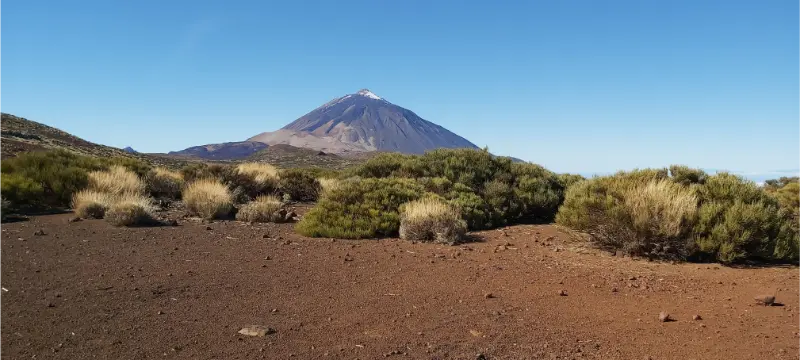
If you want to use the cable car or access restricted summit areas, check current booking and permit rules well in advance. Weather can close high-altitude facilities even on a sunny day by the coast. Bring warmer clothing, sun protection and water. People with heart, respiratory or altitude-related concerns should follow medical advice because the elevation is significant.
Anaga Rural Park
Anaga, in the northeast, is one of Tenerife’s most beautiful contrasts to the southern resorts. Sharp ridges, deep ravines, laurel forest and small hamlets create a landscape that feels far removed from the beach zones. The Cruz del Carmen area is a common introduction, while roads toward Taganana and the north coast reveal spectacular viewpoints.
Parking and road conditions can be challenging in popular spots. Start early, avoid rushing the narrow roads and check trail restrictions. Mist and cloud are common parts of Anaga’s atmosphere, not necessarily a reason to abandon the day.
La Laguna and La Orotava
La Laguna is the best place to understand Tenerife’s historic urban heritage. Its walkable centre is filled with colourful facades, churches, courtyards, cafés and traditional houses. La Orotava, on the northern slopes, offers another excellent historic centre and views toward the Orotava Valley.
Combine these towns with local food rather than treating them as photo stops. A long lunch, market visit or pastry break often becomes a more memorable experience than trying to tick off too many viewpoints.
Best beaches in Tenerife
Tenerife’s beaches range from natural black-sand coves to developed resort beaches. Playa de Las Teresitas near Santa Cruz is known for golden sand and calm, protected water. El Médano has a windier, sportier atmosphere. The southwest offers convenient resort beaches, while northern beaches often feel more dramatic and Atlantic-facing.
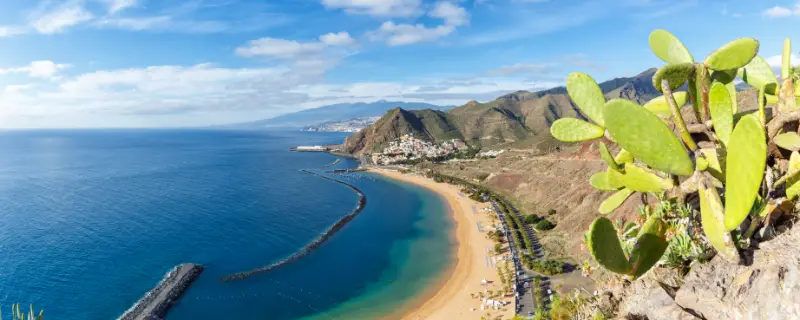
Always respect flags and lifeguard instructions. Natural beaches can have strong currents and shore break. A beautiful black-sand beach is not automatically a safe swimming beach every day.
Whale and dolphin watching
The waters southwest of Tenerife are internationally known for cetacean watching. Choose operators that follow responsible wildlife-viewing standards, limit disturbance and provide clear information about the species and conditions. Sightings are never guaranteed, and ethical tours should not promise touching, feeding or chasing animals.
Tenerife for families
Tenerife is one of the easiest Canary Islands with children because the south has family hotels, beaches and large attractions, while short excursions add variety. The key is not to overload the itinerary. Alternate pool or beach days with Teide, a boat trip or a town visit. See our family holiday guide to the Canary Islands for practical planning.
Where to stay in Tenerife
- Costa Adeje: polished resorts, families and couples who want convenience.
- Playa de las Américas: nightlife and a lively tourist atmosphere.
- Los Cristianos: practical resort base with ferry connections.
- Puerto de la Cruz: greener north, local atmosphere and sightseeing.
- Santa Cruz/La Laguna: culture, urban travel and shorter stays.
- Los Gigantes: cliffs, boat trips and a quieter west-coast base.
- El Médano: laid-back feel and water sports.
Our broader where to stay in the Canary Islands guide compares Tenerife with the other islands if you are still deciding.
Getting around Tenerife
A rental car offers the most flexibility for Teide, Anaga, La Orotava and beaches outside the main resorts. Tenerife also has a useful bus network, and the Santa Cruz–La Laguna tram is convenient for those cities. If you dislike mountain driving, combine a resort base with organised excursions rather than renting a car for the whole stay.
Tenerife has two airports: Tenerife South serves many international leisure routes, while Tenerife North is particularly important for inter-island and mainland Spanish connections. Check the airport code carefully when booking flights and transfers.
A 7-day Tenerife itinerary
- Day 1: settle into your base and explore the nearest beach or town.
- Day 2: Teide National Park and volcanic viewpoints.
- Day 3: relaxed beach or pool day plus a coastal walk.
- Day 4: La Laguna and Anaga.
- Day 5: whale-watching or the west coast and Los Gigantes.
- Day 6: La Orotava, Puerto de la Cruz or a northern road trip.
- Day 7: flexible day for your favourite area, a family attraction or another beach.
How long to stay
Seven nights is a good first visit. Four or five nights works if you focus on one region and a few major excursions. Ten nights lets you slow down and experience both north and south without constant driving. Tenerife also combines naturally with La Gomera if you have more than a week and want a smaller, greener second island.
When to visit Tenerife
Tenerife works year-round, but microclimates matter more than the calendar alone. Winter travellers seeking maximum sunshine often prefer the south, while spring and autumn are excellent for mixed sightseeing and hiking. Read our best time to visit the Canary Islands for seasonal advice.
Practical tip: If Teide is a priority, do not leave it until your final day. High winds or weather can disrupt plans, so schedule it early enough to have a backup day.
Final planning advice
The best Tenerife holiday is built around contrast: volcanic highlands and ocean, resort comfort and historic towns, dry southern scenery and greener northern landscapes. Choose a base that matches your priorities, leave space for weather changes, and resist the temptation to drive the entire island every day. Tenerife is rewarding precisely because it has enough variety to justify taking your time.
Food, wine and local experiences in Tenerife
Tenerife has a strong food culture that deserves space in the itinerary. Traditional guachinches, especially in the north, are informal places associated with local wine and simple Canarian food. You will also find excellent seafood, goat cheese, potatoes with mojo and restaurants that use island-grown fruit and vegetables. Wine regions on the island produce distinctive bottles shaped by volcanic soils and altitude.
If food matters to you, do not spend every evening in the same resort strip. Add a lunch in La Orotava, La Laguna or a northern village. Reserve a special restaurant if you have one in mind, but also leave space for spontaneous local meals.
Tenerife without a car
A car makes exploration easier, but Tenerife can still work without one. Choose a base such as Costa Adeje, Los Cristianos, Puerto de la Cruz, Santa Cruz or La Laguna, then combine buses with a small number of organised excursions. Teide tours, whale-watching departures and day trips to major sights are widely available from tourist areas.

This approach is particularly sensible for travellers who dislike mountain roads or do not want to pay for parking and insurance. The compromise is less freedom for remote beaches and viewpoints, so choose accommodation close to the places you most want to enjoy every day.
Common Tenerife planning mistakes
- Booking Tenerife South flights but a far northern hotel without checking transfer time.
- Assuming the north and south have identical winter weather.
- Trying to combine Teide, Anaga and Los Gigantes in one day.
- Underestimating altitude and temperature change in Teide National Park.
- Choosing a rental car larger than necessary for old towns and mountain roads.
Tenerife is easiest when you divide the island into regions rather than chasing a list of attractions. One well-planned north day and one well-planned mountain day are more satisfying than spending half the week on motorways.