
Santa Cruz de Tenerife is often treated as a gateway, but it deserves much more than a quick drive through. The island capital combines a working Atlantic port, modern architecture, a traditional market, shopping streets, green plazas and easy access to one of Tenerife’s most famous beaches. It also sits close to La Laguna and the Anaga mountains, which makes it one of the best bases for travellers who want city life without giving up nature.
Compared with the resort belt in the south, Santa Cruz feels more local and less holiday-packaged. You can spend the morning among market stalls, have lunch in the centre, ride the tram to La Laguna and still reach the coast for sunset. If you are deciding whether to split your stay between north and south, pair this guide with our Tenerife travel guide.
Why stay in Santa Cruz de Tenerife
Santa Cruz works particularly well for short city breaks, cruise passengers adding extra nights, travellers without a car and anyone who prefers cafés, museums and neighbourhood life to an all-inclusive resort. The city is walkable in its central districts, while public transport connects it with La Laguna and other parts of the island.
It is less convenient if your main goal is spending every day on a resort beach in Costa Adeje or Los Cristianos. Tenerife is larger than it first appears, so choose Santa Cruz because you want the north-east, not simply because a hotel room looks cheaper.
Start at Plaza de España and the waterfront
Plaza de España is the easiest orientation point in central Santa Cruz. From here you can walk toward the port, the main shopping streets and several of the city’s cultural buildings. The centre is compact enough that the best first impression comes from walking rather than hopping between car parks.
Continue toward the waterfront and the Auditorio de Tenerife area. The city’s modern architecture makes an interesting contrast with the colonial streets of La Laguna, so visiting both places on the same trip helps show how varied urban Tenerife can be.
Visit Mercado de Nuestra Señora de África
The Mercado de Nuestra Señora de África is one of the city’s most useful stops for understanding everyday Tenerife. The market dates from the 1940s and brings together produce, fish, meat, cheeses, flowers and small food businesses. It is a better place to browse earlier in the day than to leave until late afternoon.
Official Tenerife tourism information describes it as the capital’s principal market and notes more than 200 traders. Check the official market information before relying on specific opening hours, especially on Sundays and public holidays.
Walk the centre slowly
The streets around Calle del Castillo are useful for shopping and people-watching, but the city becomes more interesting when you wander into side streets and plazas rather than treating the pedestrian route as a shopping mall. Look for shaded squares, older façades and small cafés where the pace feels much more residential.
If you enjoy architecture, allow time for a loop that links the historic centre with the modern waterfront. Santa Cruz is not a monumental city in the way that some mainland Spanish capitals are; its appeal comes from the mix of urban layers and the fact that daily life is still very visible.
Spend half a day at Playa de Las Teresitas
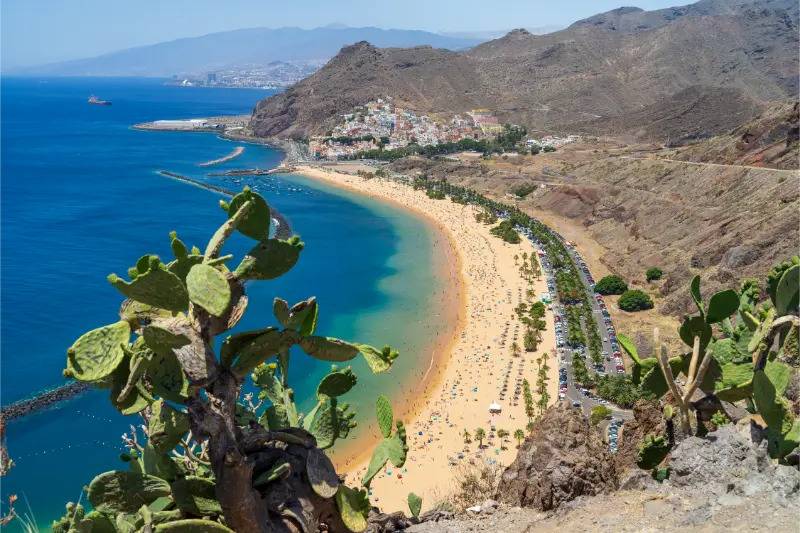
Las Teresitas, near San Andrés, is the classic beach day from Santa Cruz. Its broad curve, pale sand and sheltered water make it very different from many of Tenerife’s natural black-sand beaches. It is popular with local residents as well as visitors, particularly on warm weekends.
Go earlier if you want easier parking and a quieter promenade. After swimming, stop in San Andrés for lunch rather than driving straight back to the city. This simple combination creates one of the easiest city-and-beach days on the island.
Use Santa Cruz as a base for Anaga
The Anaga mountains begin remarkably close to the capital, but the atmosphere changes quickly as roads climb into forest and ridges. This makes Santa Cruz a smart base for travellers who want to hike or drive through north-eastern Tenerife without crossing the island before breakfast.
Mist, wind and low cloud are normal in Anaga and can coexist with sunshine on the coast. Check trail conditions and avoid building a day that depends on one specific viewpoint being clear. Our Canary Islands hiking guide covers the broader planning principles.
Take the tram to La Laguna
San Cristóbal de La Laguna is close enough to feel like part of the same urban trip but different enough to deserve several hours. Its historic centre, university atmosphere and colourful streets make an excellent contrast to Santa Cruz. The tram is often simpler than driving and searching for parking.
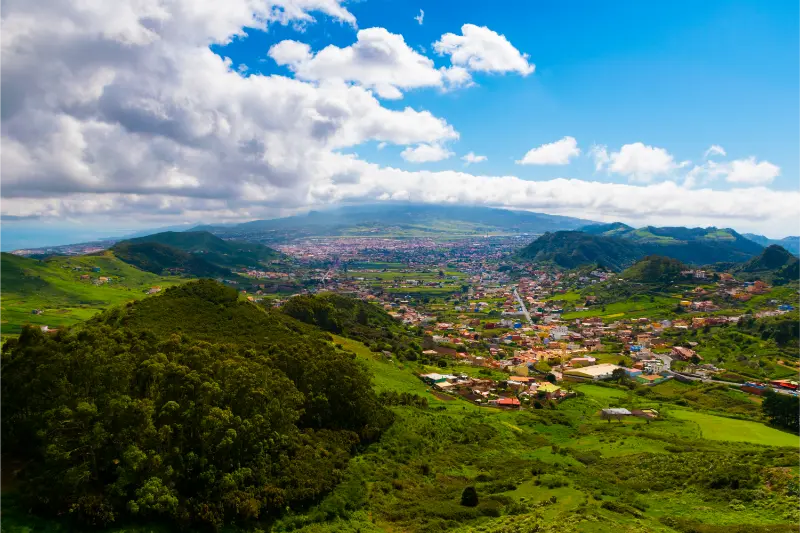
If you only have one day in the north-east, start in Santa Cruz, move to La Laguna for lunch and finish at a coastal viewpoint. With two days, give Anaga its own day rather than squeezing mountain roads between city stops.
Where to stay in Santa Cruz
For a first visit, staying within walking distance of the centre is usually more useful than choosing a peripheral hotel for a slightly lower rate. You will be able to walk to dinner, reach the tram easily and reduce the need to move the car at night.
If you are renting a car, read parking details carefully before booking accommodation. Central underground car parks are convenient, but hotel parking is not universal. Travellers planning several Anaga days may also consider the La Laguna side of the metropolitan area.
- Central Santa Cruz: best for restaurants, shops and first-time city visitors.
- Near the waterfront: convenient for modern architecture and port access.
- La Laguna: better if historic atmosphere and Anaga access matter more than the seafront.
Food, evenings and local rhythm
Santa Cruz has a wider everyday restaurant scene than most purpose-built resorts. Look for Canarian dishes, seafood, modern tapas and cafés rather than assuming you need to return to the hotel for dinner. The market is a good starting point for learning the names of local cheeses, fruit and fish you may see later on menus.
Evenings are generally more about bars, terraces and restaurants than resort entertainment. If you want clubs and a concentrated tourist nightlife strip, the south is more suitable; if you want a city dinner followed by a walk through lively streets, Santa Cruz is a better fit.
How long do you need?
One full day is enough to see the centre and Las Teresitas at a relaxed pace. Two days let you add La Laguna properly. Three nights work well if Santa Cruz is your base for Anaga and you want a more urban Tenerife stay before moving south or west.
A useful split for a seven-night Tenerife holiday is three nights in the north-east or north and four nights in the south. It reduces repeated driving and lets you experience two different climates and travel styles.
Frequently asked questions
Do you need a car in Santa Cruz?
Not for the centre or La Laguna. A car becomes useful for flexible Anaga exploration and more remote beaches, although organised excursions and buses can cover some routes.
Is Santa Cruz good for families?
Yes for families who enjoy city-and-beach trips. Las Teresitas, parks, markets and easy day trips add variety, but families wanting a resort pool and children’s entertainment may prefer Costa Adeje.
Is Santa Cruz worth visiting if you stay in the south?
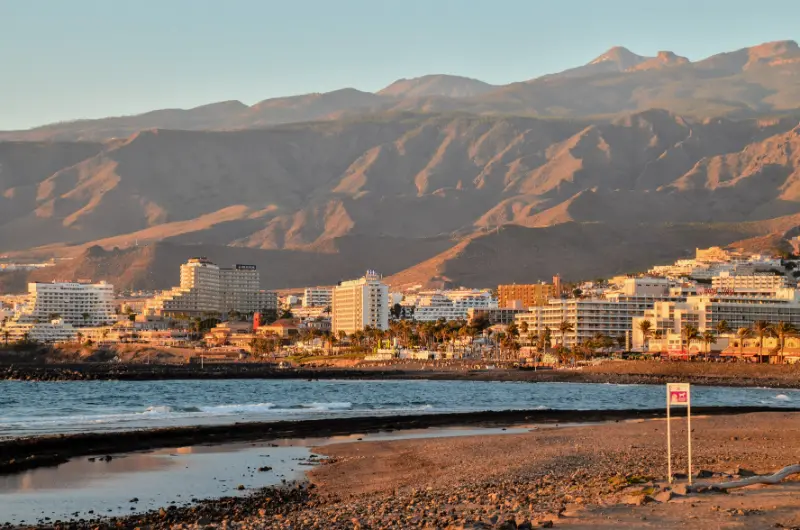
Yes. It gives a very different view of Tenerife and combines naturally with La Laguna or Anaga. Start early so the round trip does not turn into a rushed afternoon.
Final planning advice
A good trip to Santa Cruz de Tenerife is easier when you plan by neighbourhood and geography rather than by a long checklist. Put nearby beaches, viewpoints, restaurants and historic areas on the same day, then leave at least one flexible half-day for weather, sea conditions or simply slowing down. This is especially useful on Tenerife, where a short distance on the map can still involve parking, traffic or mountain roads.
For anything with regulated access, limited capacity or exposure to Atlantic conditions, check the official source shortly before leaving your accommodation. Opening arrangements, trail access, ferry times and sea conditions can change. Save confirmations offline and keep a backup plan that does not depend on perfect weather.
Most importantly, do not try to turn every day into a full-island road trip. One of the pleasures of the Canaries is having time for an unplanned coffee, a long seaside walk, a local lunch or a second swim when you find a beach you genuinely like.
A realistic one-day plan
Start with the attraction or neighbourhood that is most sensitive to crowds, parking or weather, then keep the middle of the day flexible. Have lunch in the same part of the destination instead of crossing the island for a restaurant reservation, and use the afternoon for a beach, promenade, short viewpoint or secondary sight. This approach reduces driving and makes it easier to adapt when wind, cloud or Atlantic swell changes the original plan.
For travellers staying several nights, alternate an active sightseeing day with a lighter local day. The Canaries are easy to over-plan because so many places look close together on a map. In practice, the best trips leave room for slow breakfasts, spontaneous swims and longer-than-expected stops at viewpoints or villages.
Before leaving the hotel, check the exact forecast for your destination rather than an island-wide summary. Higher terrain, north-facing coasts and exposed beaches can experience very different conditions on the same day. Save any official booking confirmation offline and keep a second option nearby in case access changes.