
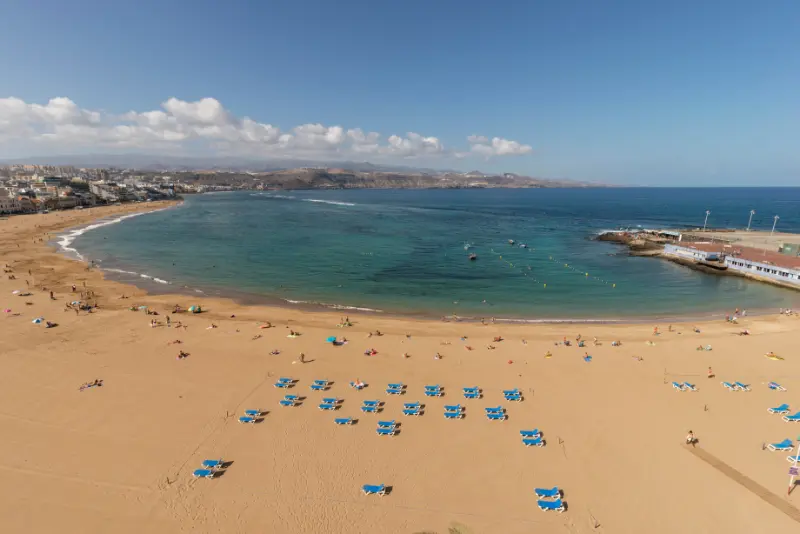
Las Canteras is one of the rare beaches that can genuinely be the centre of a city break. It stretches for roughly three kilometres along the western side of Las Palmas de Gran Canaria, with a pedestrian promenade, restaurants, surf schools, family areas and a natural reef known as La Barra protecting much of the central beach.
You can spend an hour here between museums or base an entire holiday around it. For the wider city, read our Las Palmas guide and where to stay in Gran Canaria.
At a glance
| Island | Gran Canaria |
|---|---|
| City | Las Palmas de Gran Canaria |
| Length | About 3 km of urban beach and promenade |
| Best swimming | Central sections protected by La Barra in suitable conditions |
| Best surfing | La Cícer area |
| Best for | Car-free beach days, swimming, food, walking and city breaks |
Why Las Canteras Beach Guide is worth visiting
The beach changes character from one end to the other. La Cícer, near the Alfredo Kraus Auditorium, is the surf-oriented end. Playa Chica and central sections are better known for swimming when conditions are calm, while La Puntilla retains a connection with the traditional fishing side of the city.
La Barra is the key natural feature. This reef runs parallel to much of the beach and reduces wave energy in the protected sections, helping create calmer water and good snorkelling conditions. At low tide, the relationship between beach and reef becomes more obvious.
What to see and how to experience it
For a first visit, walk a substantial part of the promenade before choosing where to sit. You will quickly see which zone matches your mood: surf schools and younger energy toward La Cícer, busier swimming areas in the centre and a more local feel toward La Puntilla.
Snorkelling can be excellent inside La Barra in calm water, but use a visible float where appropriate, stay clear of channels and follow local safety information. At the surf end, beginners should use a school rather than entering a crowded lineup without understanding the break.
How to get there and plan the route
Las Canteras is easiest without a car. City buses, taxis and walking connect the beach with Santa Catalina, the port and many accommodation areas. Parking exists nearby but can be slow and expensive compared with public transport.
If you are staying in the south, visiting Las Canteras is still worthwhile as part of a full Las Palmas day. Pair it with Vegueta and Triana rather than driving into the city only for one hour of beach time. Our Gran Canaria day-trip guide gives broader route ideas.
Tickets, opening details and what to check
Las Canteras is a public urban beach with no admission fee. The official Las Palmas tourism page highlights the roughly three-kilometre promenade, the different beach zones, lifeguard and rescue services, adapted toilets, assisted bathing and accessible routes for people with reduced mobility.
Accessibility services can depend on hours, staffing and sea conditions, so travellers who require assisted bathing should verify the current arrangements before arrival rather than assuming every service is available continuously.
A realistic visit: how much time to allow
Most travellers do better when they give Las Canteras Beach Guide a clear role in the day rather than treating it as one more pin on a map. Use the typical-visit estimate above as a minimum planning block, then add driving, parking, food and photo time. Canary Islands roads often look short on a map but can be slow when they cross volcanic or mountainous terrain.
If you have a fixed reservation elsewhere, work backwards from that time and leave a generous buffer. A relaxed plan is especially valuable when wind, cloud, tides or road conditions affect the experience. The islands reward flexibility: if one stop is not working, moving to a different altitude or coast can completely change the day.
Best nearby places to combine with the visit
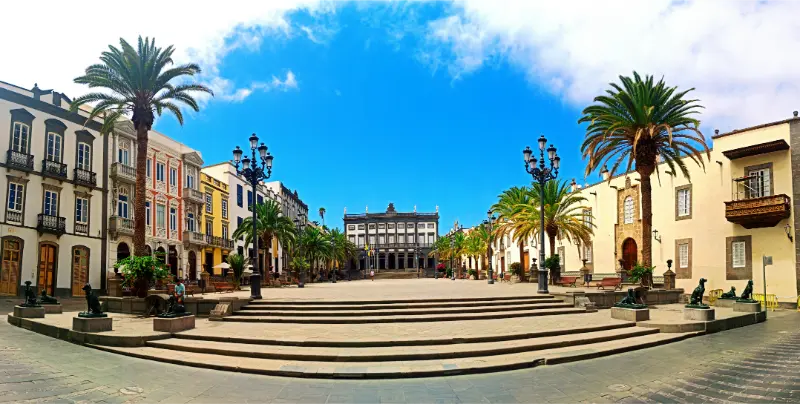
Santa Catalina
A lively square and transport hub a short walk from the beach.
Mercado del Puerto
A food stop near La Puntilla and the northern beach end.
Alfredo Kraus Auditorium
Landmark building at the La Cícer end.
El Confital
Protected volcanic coast beyond La Isleta, reachable on foot from the northern end.
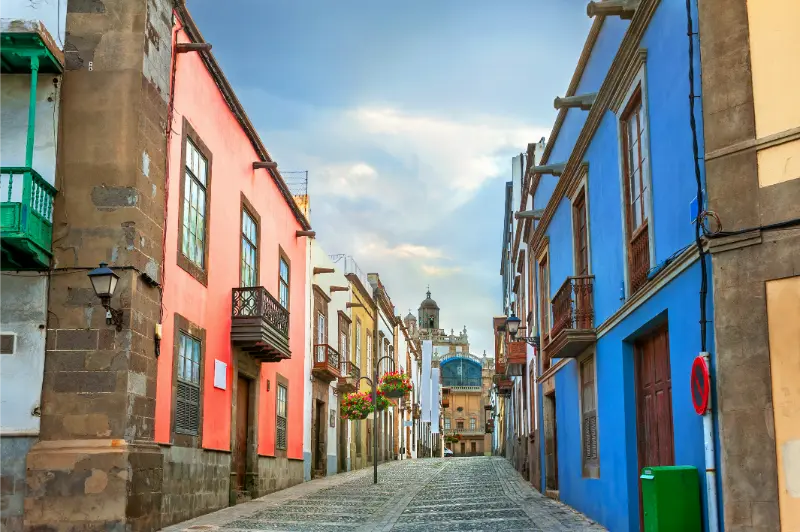
Vegueta
Historic district that adds architecture and museums to a beach-focused day.
Visiting with children
Las Canteras is one of the easiest Canary Islands beaches for families because services, food and toilets are close. The central protected sections are generally the logical choice, but always use the lifeguard flags and daily conditions. The surf end is not the place to assume calm water simply because the rest of the beach looks sheltered.
Best time of day and weather considerations
Morning is excellent for swimming and a quieter promenade, lunchtime for combining the beach with the city’s food scene, and sunset for a long walk. Las Canteras is a year-round urban space rather than a seasonal resort beach, so its atmosphere remains lively even outside traditional holiday periods.
What to bring
- Water: even short stops become dehydrating in wind and sun.
- Sun protection: sunscreen, sunglasses and a secure hat are useful year-round.
- A light layer: viewpoints and northern areas can feel much cooler than resort beaches.
- Suitable footwear: choose shoes for the actual surface, not just the temperature.
- Offline directions: save the route and key confirmations before leaving reliable mobile coverage.
Responsible visiting and safety
The Canary Islands are visually robust but ecologically fragile. Stay on authorised paths, use established access points, take all rubbish away and never build stone stacks or remove volcanic material, shells or plants. In protected areas, a barrier or closure is part of the conservation system rather than an inconvenience to work around.
For beaches and natural pools, make the decision to enter the water from the conditions in front of you, not from photographs taken on another day. Respect lifeguard flags, warning signs and local advice. For mountain and forest routes, check official trail status after rain, wind, fire-risk periods or maintenance closures.
How this stop fits into a first trip
If this is your first visit to the archipelago, use our Canary Islands travel guide to decide how much of your holiday should be beaches, towns, nature and driving. A good itinerary normally has one major objective per half-day, with smaller nearby stops added only when they are genuinely on the route.
That approach is especially useful on the smaller islands, where a day can look empty on paper but feel full once scenic roads, viewpoints and local meals are included. It also gives you space to return to a favourite place rather than turning the holiday into a race.
Frequently asked questions
Which part of Las Canteras is best for swimming?
Central areas protected by La Barra are usually the first choice in suitable conditions. Follow lifeguard flags on the day.
Where do people surf?
La Cícer is the best-known surf section, near the Alfredo Kraus Auditorium.
Do you need a car?
No. Las Canteras is one of the easiest major Canary Islands beaches to enjoy entirely by public transport and on foot.
Is the beach accessible?
Official city tourism information lists adapted toilets, accessible routes and assisted bathing services. Verify operating details if you depend on a specific service.
Final advice
Las Canteras Beach Guide is most rewarding when you plan for the real conditions of the place rather than the ideal version seen in photographs. Check the official information before you leave, give yourself enough time, and keep one flexible alternative nearby. That small amount of planning usually makes the difference between a rushed stop and one of the days you remember from the trip.
Planning mistakes to avoid
The most common mistake at Las Canteras Beach Guide is underestimating the difference between arrival time and experience time. Parking, walking from the car, checking conditions and orienting yourself can easily add 20–40 minutes before the visit really begins. Build that margin into the day instead of cutting the final stop short.
A second mistake is following an old itinerary without checking live access information. The Canary Islands increasingly manage busy natural sites with permits, timed tickets, parking rules or temporary closures. Save the official page before travel and check it again when the visit depends on a specific trail, road or attraction.
A third mistake is planning every meal and stop at the exact same latitude or altitude. Weather on the islands is highly local. If cloud covers a viewpoint, the coast may be sunny; if strong wind makes a beach unpleasant, a village or museum inland may be comfortable. Keep your route modular so you can switch the order without losing the day.
Finally, avoid judging value only by how many attractions you fit in. One long beach walk, a slow museum visit or an hour watching changing cloud over a volcanic valley can be more memorable than five rushed photo stops. The best Canary Islands itineraries are selective, not exhaustive.
A simple half-day plan
For a low-stress half day at Las Canteras Beach Guide, start by arriving before the busiest middle part of the day and spend the first 15 minutes orienting yourself rather than immediately following the crowd. Identify the main viewpoint, trail, beach section or indoor route, then decide what deserves most of your time. This prevents you from spending the visit moving constantly without actually experiencing the place.
After the main experience, leave at least 30–45 minutes for the less obvious part of the site: a secondary viewpoint, a slower walk, a café, a short stretch of coast or a nearby village. That buffer also absorbs parking delays and weather changes. If conditions are poor, reverse the plan and use the nearby stop first, then return when visibility, tide or wind improves.
For lunch, choose somewhere naturally on the onward route rather than driving back to a resort simply because it has more restaurants. One of the pleasures of exploring the islands is connecting landscapes with local settlements. A simple meal in a nearby village often makes the day feel more coherent and reduces unnecessary driving.
If you are travelling in peak holiday periods, keep the final part of the half day flexible. Popular parking areas and ticketed attractions can take longer than expected, and a rigid schedule creates pressure to speed through the very place you came to see. One major stop plus one nearby extra is usually the right rhythm.