
Best Food Experiences in Lanzarote: Volcanic Wine, Local Produce and Island Cuisine is about eating in a way that helps you understand Lanzarote, not simply collecting restaurant names. The strongest food experiences combine a product, a place and a story: a market where locals shop, a traditional dish in the area where it belongs, a cheese or wine producer, a fishing town, or a modern restaurant that works seriously with island ingredients.
Restaurant openings and menus change too quickly for a useful guide to depend on a fixed list of “must-book” tables. Instead, this article shows which experiences are worth building into an itinerary, what to look for, how to recognise a more local offer and how to combine food with beaches, villages and sightseeing without spending the whole holiday driving from meal to meal.
Quick verdict: the best food experiences in Lanzarote
- Best traditional experience: a La Geria wine-and-food day followed by a simple island meal.
- Best local product: Malvasía Volcánica, goat cheese, fish and produce grown in volcanic conditions.
- Best area for a food day: La Geria and the central-southern wine landscape, plus coastal fishing towns.
- Best easy experience: pairing a Lanzarote wine with fish or cheese at dinner.
- Best for curious travellers: seeing how volcanic agriculture shapes both vineyards and modern local cuisine.
- Best rule: plan one or two food anchors in a day and let the rest of the itinerary stay flexible.
Experiences worth planning around
Understand volcanic agriculture in La Geria
The wine landscape is the clearest expression of how Lanzarote adapts agriculture to dryness, wind and volcanic material. A winery visit explains the farming system better than a roadside photo stop and gives context to the island’s famous Malvasía Volcánica.
Eat local fish with a view of the working coast
Fishing remains part of Lanzarote’s food identity. Choose a coastal restaurant that can explain the catch and price, and do not assume the most famous beach resort automatically offers the most local experience.
Look for restaurants working with island produce
The official tourism portal describes a newer gastronomic movement linking chefs with farmers, fishers, cheese makers and wine producers. This is the most interesting side of modern Lanzarote dining: not luxury for its own sake, but careful use of ingredients grown in a difficult environment.
Try goat cheese and simple Canarian staples
Cheese, papas arrugadas, mojo and gofio provide an accessible introduction before more elaborate meals. A cheese tasting is especially useful when combined with wine because the island’s dryness and farming traditions connect both products.
Use markets and local shops to build a picnic
A small picnic of bread, cheese, fruit and local products can be more memorable than another resort lunch, provided you respect rules at beaches and protected areas and take all rubbish away.
Markets, producers and food shopping
Markets and producer shops are useful for buying cheese, wine, vegetables and packaged foods, but Lanzarote’s strongest “market” experience is often the direct connection to agricultural landscape. Visit a winery, a producer or a well-run local market with a specific purpose rather than driving between stalls for the sake of a checklist.
If you visit Teguise on market day, remember that the famous market is broad and tourist-oriented, not purely a food market. Use it for atmosphere and selected local products, then look elsewhere for a more focused meal or producer experience.
How to choose a restaurant without chasing hype
- Look at what the restaurant actually cooks, not only its décor or ocean view.
- A short menu built around seasonal fish, meat, vegetables or local products can be more interesting than a giant tourist menu trying to serve every cuisine.
- Ask whether fish is sold by portion or by weight before ordering a large whole fish.
- Check recent opening information, especially in small villages where weekly closing days matter.
- Do not assume “traditional” means every dish must be heavy. Many Canarian meals are simple combinations of fish, potatoes, mojo, vegetables, cheese and grilled meat.
- If a local product interests you, ask where it comes from. Good staff can usually tell you the island, producer or fishing area.
A realistic food-focused day
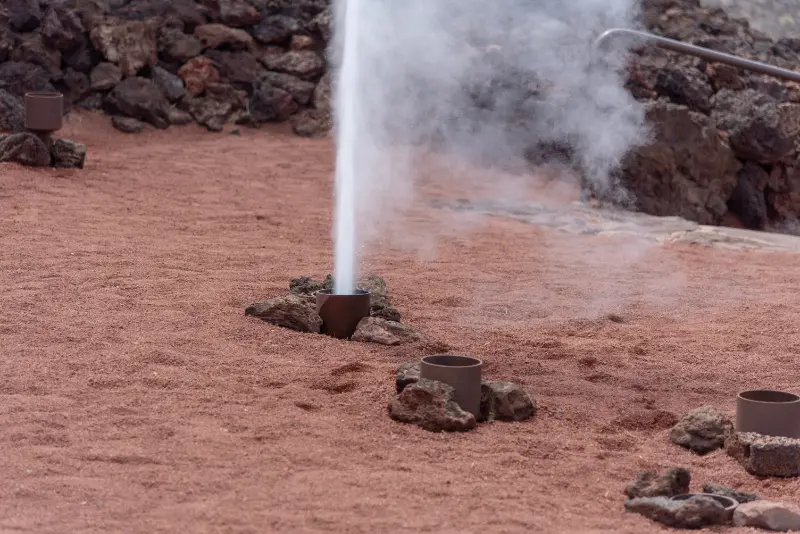
Build the day around La Geria: vineyard landscape in the morning, one booked winery visit, lunch using island products, then a cultural or scenic stop such as Yaiza or another nearby village. Keep Timanfaya as a separate major attraction unless your schedule is generous; rushing national-park logistics and wine tasting into one tight block reduces both experiences.
The key is to leave room between stops. A market breakfast, substantial lunch and evening tasting can work; three full restaurant meals plus producer visits usually does not. Food travel is more enjoyable when it supports the day rather than becoming an endurance event.
Food tour or self-guided exploration?
A guided food tour is useful when you are short on time, want context you would not get from a menu, or prefer not to research small producers and neighbourhoods yourself. Check the number of tastings, group size, walking distance, dietary policy and whether the tour focuses on genuinely Canarian products or simply offers generic tapas.
Self-guided exploration works well if you have a car or are staying in a walkable town with a market and several local restaurants. Build the day around one confirmed opening—such as a market, museum, producer or booked lunch—and leave the rest flexible. That protects you from wasting a morning because a small business is closed.
Vegetarian, vegan and allergy planning
Traditional Canarian cooking includes many ingredients that can work for vegetarians—potatoes, mojo, gofio, vegetables, pulses and some cheeses—but individual recipes may contain meat stock, fish, dairy or other ingredients that are not obvious from the name. Vegan travellers should ask specifically rather than assuming a vegetable dish is plant-based. For serious allergies, communicate clearly and choose restaurants that can explain ingredients and cross-contamination procedures.
Eating with children
Food experiences do not need a separate “kids menu” to work for families. Grilled fish, potatoes, cheese, bread, simple meat dishes and fruit are easy to share. Markets and producer visits can be more engaging than long formal meals, but check whether tours have minimum ages and whether there are toilets, shade and safe walking areas. Schedule the main meal before children are overtired rather than copying a late local dinner time.
What to buy as an edible souvenir
Volcanic Malvasía, sealed mojo, goat cheese, sea salt and packaged local products travel well if properly packed. Check liquid rules and refrigeration needs before buying at the start of a hot sightseeing day.
For anything liquid, soft or perishable, check airline rules and whether the product needs refrigeration. Properly labelled, commercially packed items are easier to travel with than improvised market purchases. If you are flying outside the EU, destination-country customs rules may also restrict animal products, fresh produce or other foods.
Where to stay for a food-focused break
Puerto del Carmen is convenient for restaurants and transfers; Yaiza is ideal for a quieter food-and-wine focus near La Geria; Arrecife gives a more urban local base; Playa Blanca and Costa Teguise work well when food experiences are day trips within a beach holiday.
Useful internal guides
Continue planning with Lanzarote food guide, wine tasting in Lanzarote, La Geria guide, Arrecife guide, Lanzarote markets guide.
Official information
The official tourism portal describes Lanzarote’s newer gastronomy as a collaboration between farmers, fishers, cheese makers, wine producers and chefs, with strong emphasis on local and kilometre-zero products. Use the official Canary Islands tourism information as a starting point, then check current opening times and booking details with the individual venue or producer.
The button above is an affiliate link. WelcomeToCanaries may receive a commission if you book after using it, at no extra cost to you.
Frequently asked questions
Do I need restaurant reservations?
For popular restaurants, weekends and special-occasion dining, booking is sensible. Casual bars and many traditional venues may be easier, but opening days can still vary.
What are the essential Canarian foods to try?
Papas arrugadas with mojo, gofio, island cheeses, local fish and regional meat or vegetable dishes are useful starting points. The most interesting choices vary by island.
Are food markets open every day?
Not always. Municipal markets, farmers’ markets and weekly street markets all follow different schedules, so verify the specific market before planning a journey around it.
Is tipping compulsory?
Service is included in normal restaurant pricing in Spain. A small discretionary tip for good service is common but not compulsory; see our dedicated tipping guide for more detail.
Can I combine food experiences with a beach holiday?
Yes. In fact, one market morning, one producer visit and a few carefully chosen local meals can add a lot of depth without turning the holiday into a full gastronomic itinerary.
Final verdict
Lanzarote’s food identity makes most sense when you see the landscape first. Taste wine where vines grow in volcanic material, eat fish near the coast, try local cheese and choose restaurants that can tell you where their ingredients come from.