
November can be a very good time to visit the Canary Islands, but the best island and base depend on whether you care most about winter sun, beaches, hiking, family facilities, nightlife or quiet scenery. This guide focuses on the choices that actually change a trip: microclimates, sea conditions, crowds, transport and how to structure your days.
November marks the return of the Canary Islands’ winter-sun season. While daylight and temperatures are dropping quickly across much of Europe, the archipelago remains mild enough for outdoor travel and often for beach time. It is not guaranteed summer weather: November sits within the wetter part of the Canarian year, and Atlantic fronts can bring unsettled spells. The advantage is that warm, sunny days are still common and the islands offer many alternatives when the beach is not perfect.
If this is your first visit, start with our Canary Islands travel guide and our best time to visit the Canary Islands overview. They explain the differences between the islands, while this page concentrates specifically on November.
What is the weather like in the Canary Islands in November?
Coastal temperatures are generally mild, with southern Tenerife and Gran Canaria often providing the most dependable sunshine. Northern slopes are greener and can be cloudier. Lanzarote and Fuerteventura are drier overall but exposed to wind. Mountain areas can be genuinely cold, so anyone heading to Teide, Roque Nublo or La Palma’s high viewpoints needs warm layers and should check conditions before setting out.
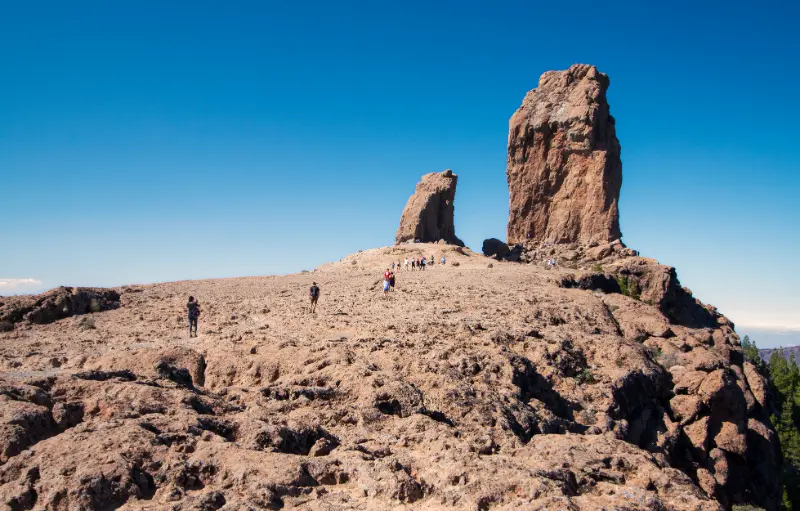
The single most useful weather concept is the islands’ network of microclimates. Mountains force moist trade-wind air upward, creating greener northern slopes and drier leeward coasts. This is why a forecast for an entire island can be misleading. Before a day trip, check the forecast for the exact coast, town or altitude you plan to visit rather than relying on the icon shown for the island capital.
For official trip-planning context, the Canary Islands tourism board describes a mild year-round climate shaped by the ocean and trade winds. Its island weather information is a useful starting point, but daily forecasts and any safety alerts should still be checked close to departure.
Which Canary Island is best in November?
For a classic November escape focused on sunshine, choose the south or southwest of Tenerife or Gran Canaria. Lanzarote is excellent for travellers who value scenery and sightseeing as much as swimming, while Fuerteventura suits beach walkers and surfers. La Palma and La Gomera are strong for active travellers who are comfortable adapting hikes around rain or cloud.
- Tenerife: the widest mix of resort beaches, Teide landscapes, historic towns and organised activities.
- Gran Canaria: excellent for combining Las Palmas, southern beaches and a dramatic mountain interior.
- Lanzarote: compact road trips, volcanic scenery, César Manrique architecture and accessible resort bases.
- Fuerteventura: huge beaches, surfing and a spacious, low-key atmosphere; wind matters when choosing a coast.
- La Palma and La Gomera: stronger choices for walking, forests, viewpoints and travellers who value quiet over resort nightlife.
If you are still choosing, compare our dedicated guides to Tenerife, Gran Canaria, Lanzarote and Fuerteventura. The right decision is usually about travel style rather than a claim that one island is universally ‘best’.
Best things to do in November
November’s mild temperatures are ideal for hiking, city exploration, road trips and long lunches in inland towns. Whale watching, stargazing and volcanic sightseeing remain strong options. Beach time is best treated as part of a varied itinerary rather than the only goal, especially on a short trip where one weather front could otherwise dominate the holiday.
Plan around conditions, not a rigid checklist
A strong Canary Islands itinerary has movable pieces. Keep time-sensitive reservations fixed, but allow beaches, viewpoints and short hikes to switch days. If one coast is windy, another side of the island may be calmer; if mountain cloud rolls in, a city or coastal village may be a better use of the afternoon. This flexibility is more valuable than trying to complete every famous attraction regardless of conditions.
Crowds and prices in November
Early November can be relatively calm after autumn school breaks, while winter demand increases later in the month. Prices often rise toward the Christmas season, but there can be attractive windows before that. Popular winter resorts remain busy even when other Mediterranean destinations are quiet.
When comparing accommodation, look beyond the headline nightly rate. Parking, breakfast, pool heating, air-conditioning, cancellation terms and walking distance to restaurants can change the real cost of a stay. A slightly more expensive room in the right base can save daily driving and make short trips much more enjoyable.

What to pack for the Canary Islands in November
Pack a mixed wardrobe: T-shirts and swimwear for sunny coastal days, trousers, a sweater and a light waterproof for evenings and cooler areas. Add a warmer layer if visiting high altitude. Closed shoes are especially useful in November because sightseeing and hiking may replace a planned beach day at short notice.
- Swimwear, sunglasses and high-factor sunscreen.
- A refillable water bottle and small daypack.
- Comfortable shoes with grip for lava, cobbles and viewpoints.
- A light extra layer for wind, evenings and altitude.
- Offline maps or downloaded directions for mountain and rural areas.
Canary Islands in November with children
November can be excellent for families with young children not tied to school holidays. The islands are quieter than at Christmas, and daytime temperatures are comfortable for outdoor attractions. A heated pool is worth prioritising if swimming is central to the trip. Choose a walkable southern resort for the simplest weather-and-logistics combination.
For a first family trip, convenience usually matters more than chasing the most dramatic scenery. A safe-feeling promenade, easy supermarket access, a suitable beach and short transfer can be worth more than an isolated villa with a spectacular view. Our Canary Islands with kids guide compares the islands in more detail.
Swimming and the Atlantic in November
The Atlantic cools gradually from its late-summer peak but can still be comfortable for swimming on calm sunny days. Weather systems may generate stronger swell. Use lifeguarded beaches, respect flags and avoid natural pools during rough-sea warnings. For water sports, local schools can select the safest coast for the day’s conditions.
Do not judge sea safety from photos or from how calm the promenade feels. Atlantic beaches can change quickly with swell, tides and wind. Follow lifeguards, flags and temporary closures. On beaches without lifeguards, be conservative: if local swimmers are staying out, that is useful information.
Events and local atmosphere in November
November is more about everyday island life than a single major tourist festival, though local cultural calendars remain active. It can be a good month for food markets, wine areas and historic towns because the pace is less beach-dominated. Check opening hours carefully around local public holidays.
A good one-week itinerary for November
Build a November trip with weather alternatives. On Tenerife, pair a southern base with Teide, La Laguna and the north; on Gran Canaria, combine Maspalomas with Las Palmas and the mountains. If a cloudy day appears, move cultural or urban plans forward and save the beach for the clearest forecast.
Avoid changing hotels every night. Distances on a map can look small, but mountain roads, parking and scenic stops slow travel. Two bases are often the maximum needed for a seven-night stay on Tenerife, Gran Canaria or La Palma; Lanzarote and Fuerteventura can usually be explored comfortably from one well-chosen base unless you deliberately want a split stay.
Driving and getting around in November
A rental car gives the greatest freedom on most islands, especially for viewpoints, villages and trailheads, but it is not essential for every trip. Tenerife and Gran Canaria have extensive bus networks, and resort transfers are straightforward. If you rent, photograph the car at collection, understand the fuel policy, avoid leaving valuables visible and never assume an informal-looking roadside space is legal parking. Mountain roads can be narrow and winding, so allow more time than navigation apps suggest.
How to keep costs under control in November
November can offer good value before Christmas, especially for travellers with flexible departure dates. Compare seven-night and eight-night flight combinations because one extra night can sometimes reduce airfare enough to offset the hotel cost. Book a car only when you need it if your first or last days are resort-based.
For sightseeing, the best savings usually come from route planning rather than discount hunting. Group attractions by area, avoid crossing the island repeatedly and combine paid highlights with free beaches, villages, promenades and viewpoints. If an attraction or trail requires advance booking, use the official operator or authority rather than an unverified reseller unless you deliberately want an organised tour.
Is November a good month for the Canary Islands?
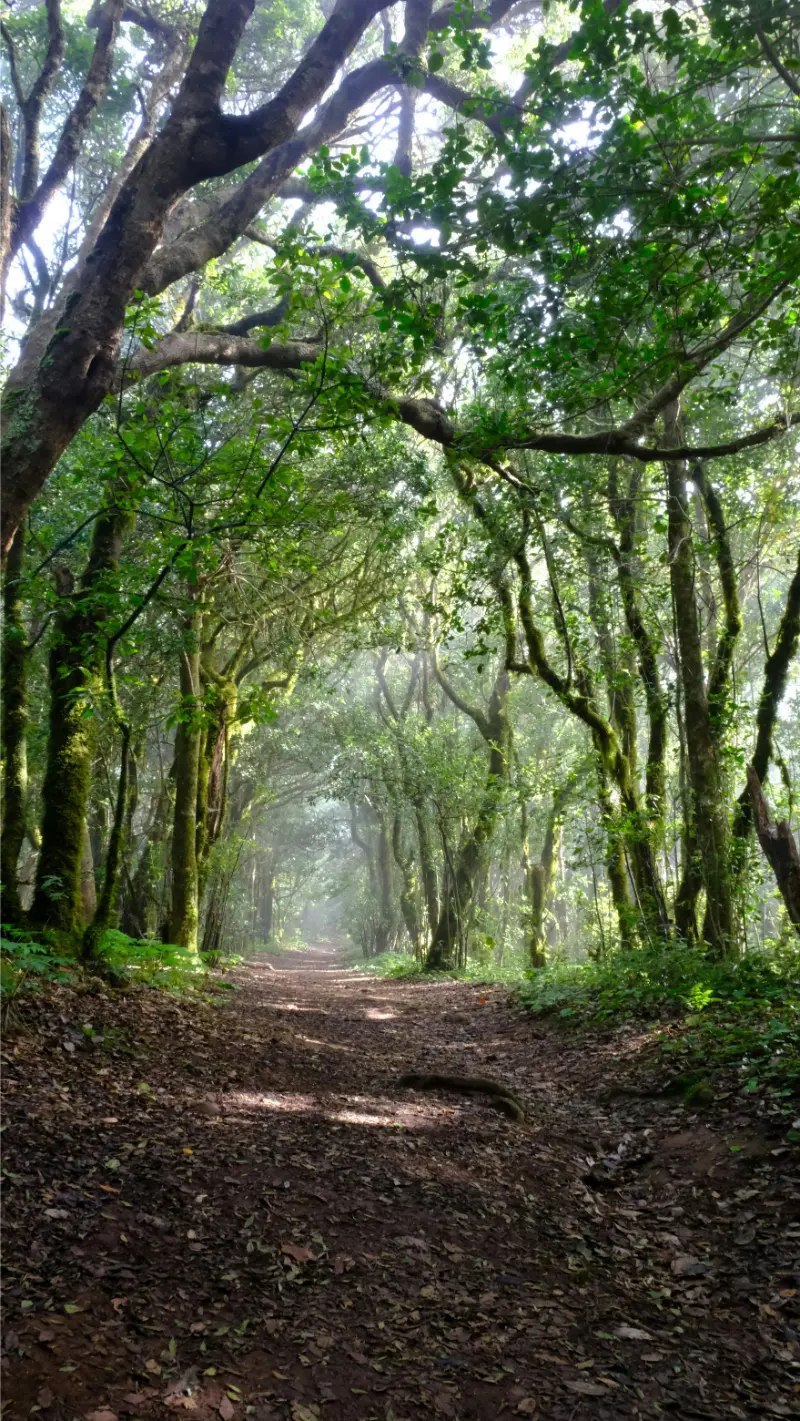
For many travellers, yes. November works best when you choose the island and coast to match your priorities and keep enough flexibility for the Atlantic weather. The Canary Islands are not interchangeable: a windy surf beach, a sunny southern resort, a laurel forest and a 2,000-metre viewpoint can all produce completely different conditions on the same day. Plan around that diversity and November can deliver a trip that feels far richer than a simple week of winter or summer sun.
Quick questions about the Canary Islands in November
Is it warm in the Canary Islands in November?
Coastal areas are generally mild to warm, but conditions vary by island, coast, wind and altitude. Use local forecasts rather than one archipelago-wide number.
Can you swim in the Canary Islands in November?
Often yes, especially at sheltered beaches on calm sunny days, but comfort is personal and Atlantic safety conditions matter more than the calendar.
Do I need a car in November?
Not necessarily. A car is most useful for rural areas, viewpoints and flexible road trips. Travellers staying in major resorts or cities can combine buses, ferries, taxis and organised excursions.
Which island has the best weather in November?
Southern Tenerife and southern Gran Canaria are popular for dependable sunshine, but no island can guarantee perfect weather. Lanzarote and Fuerteventura are generally drier but can be windier.