
Best museums in Lanzarote are most rewarding when you use them to understand the landscape outside the museum walls. Lanzarote blurs the line between museum, architecture and landscape. César Manrique’s influence means cultural visits often make the most sense when you treat buildings, volcanic setting and art as one experience. A good cultural day can explain indigenous history, island architecture, migration, art, agriculture or the volcanic environment before you return to beaches and viewpoints with much more context.
Opening hours, temporary exhibitions and restoration works can change, so treat the practical details below as planning guidance and verify the official venue page shortly before your visit. This is especially important for smaller museums and historic buildings.
Best museums and cultural spaces in Lanzarote
MIAC – Castillo de San José
Where: Arrecife. The International Museum of Contemporary Art occupies the historic Castillo de San José above Arrecife’s port and is one of the island’s clearest dedicated art-museum experiences.
The combination of fortress, modern art and port views makes it stronger than a gallery visit alone. Current official tourism information lists the museum as operating, but always verify the latest hours before going.
Museo de Historia de Arrecife – Castillo de San Gabriel
Where: Arrecife. The Arrecife History Museum uses Castillo de San Gabriel to tell the story of the capital and the island through different historical periods.
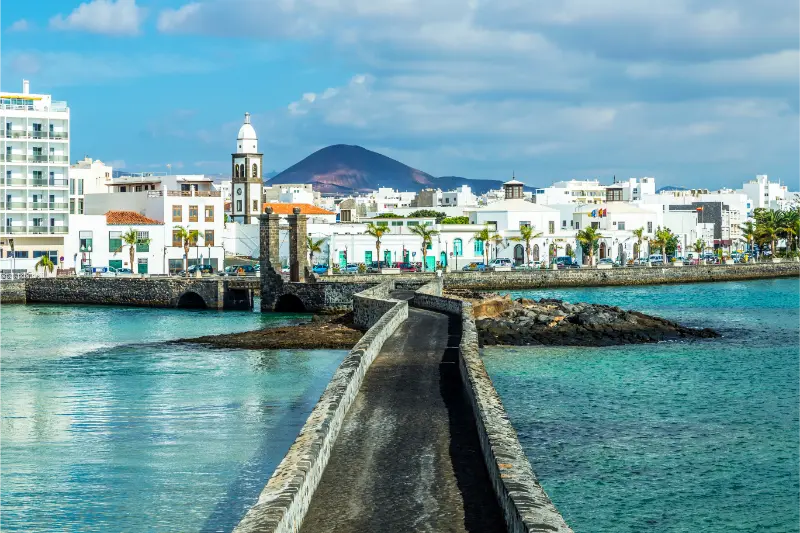
Walking across the causeway and exploring the waterfront is part of the experience. It pairs naturally with Charco de San Ginés and the city centre.
A Casa José Saramago
Where: Tías. The former home of Nobel Prize-winning writer José Saramago is a literary museum built around books, working spaces and the atmosphere of the house where he spent the final 18 years of his life.
It is a specialised but memorable visit for readers because it feels personal rather than institutional. Check tour language and current access arrangements in advance.
Casa-Museo del Campesino
Where: San Bartolomé area. This César Manrique-designed complex interprets traditional agriculture, crafts and rural identity in the geographical centre of Lanzarote.
It is particularly useful before or after driving through La Geria because it helps explain how islanders adapted cultivation and architecture to a dry volcanic environment.
La Casa Amarilla
Where: Arrecife. La Casa Amarilla hosts temporary exhibitions focused on Lanzarote’s knowledge, memory and ethnographic heritage.
Because exhibitions change, the exact subject can be a reason to visit or skip. Check what is showing, then combine it with an Arrecife walking route.
Fundación César Manrique
Where: Tahíche. The foundation in Manrique’s former home is one of the most important places for understanding the artist’s relationship with volcanic landscape, architecture and conservation.
This is more than a biography stop: it helps explain why Lanzarote looks different from many mass-tourism destinations and why built form is so tightly controlled in many areas.
CIC El Almacén
Where: Arrecife. El Almacén is a living cultural centre with exhibitions, cinema and creative activity rather than a conventional museum.
Include it if you want contemporary local culture and temporary programming. It works best as part of an Arrecife day because schedules depend on current events.
Which museum should you choose if you only visit one?
If you only choose one cultural attraction, the Fundación César Manrique gives the broadest insight into the visual identity of Lanzarote. For a conventional museum experience, MIAC is the best fit; for literature, Saramago’s house is the clear specialist choice.
Museums for a rainy or windy day
Arrecife works best in poor weather because MIAC, the history museum, La Casa Amarilla and El Almacén can be combined with short urban walks. Saramago’s house and the Manrique Foundation are also good alternatives to an exposed beach day, subject to opening times.
Museums with children
Casa-Museo del Campesino can be easier for families than a formal art museum because architecture, craft and rural life provide more varied visual interest. Older children interested in design may enjoy the Manrique sites, but keep explanations short and concrete.
Keep the visit shorter than you would for adults alone, choose one or two themes to look for together, and leave room for a snack or outdoor stop afterwards. Interactive science, archaeology, reconstructed homes and strong visual displays usually work better than trying to read every panel.
How to plan a cultural route
For an Arrecife culture day, combine the history museum, Charco de San Ginés and one contemporary venue. On another day, pair the Manrique Foundation with central or northern Lanzarote. Saramago’s house fits naturally with Tías and a Puerto del Carmen day.

Avoid putting three major museums back-to-back unless culture is the main purpose of the trip. One museum plus an old town, market, seafront or scenic drive usually creates a more balanced day and helps connect the exhibition to the real island.
Useful related guides
- Read our guide to the best things to do in Lanzarote.
- Read our Lanzarote food guide.
- Read our guide to Lanzarote’s best viewpoints.
Tickets, opening hours and practical checks
- Check the official venue website on the day before travelling, especially on Mondays, public holidays and around local festivities.
- Look for temporary closures, restoration work or timed-entry requirements.
- Do not assume every museum has identical multilingual interpretation; major venues usually have the strongest visitor infrastructure.
- If accessibility matters, confirm lifts, step-free routes and accessible toilets directly with the venue because historic buildings can have limitations.
- Photography rules vary by museum and exhibition; flash is commonly restricted around sensitive objects.
Where to stay for culture
A city or historic-town base makes museum days easier because you can walk between cultural sites and restaurants rather than treating every visit as a separate drive. If you prefer a beach resort, reserve one dedicated cultural day and combine several nearby stops.
Frequently asked questions
Does Lanzarote have good museums?
Yes. The museum scene is smaller than in a major European capital, but the strongest venues are valuable precisely because they explain local archaeology, art, natural history and island identity.
Are museums expensive?
Prices vary and can change. Some cultural spaces are free, others charge modest admission, and major visitor attractions can cost more. Check the current official tariff rather than relying on old blog prices.
How long should I allow?
For a focused museum, 60–90 minutes is often enough. Large archaeological, science or multi-gallery venues can justify two hours or more, especially if you add temporary exhibitions.
Should I visit museums even on a sunny holiday?
Yes, if you are interested in understanding the island rather than only seeing it. A museum visit can make later stops in villages, lava landscapes or historic quarters much more meaningful.
Final advice
Choose museums in Lanzarote for the questions you actually want answered: Who lived here first? How did people adapt to water scarcity and volcanic terrain? Why does the architecture look this way? Which artists shaped the island’s identity? One good museum can add more depth to a holiday than several random attractions.
Best rule: use museums as context for the island, then go outside and look for the same history, materials and ideas in the landscape.
Why museums improve the rest of the trip
Museums in Lanzarote are most valuable when they answer questions raised by the landscape. Why are settlements where they are? How did people manage water? Which crops survived? What changed after conquest and Atlantic trade? Once you have that background, a village, ravine or old harbour stops looking like scenery alone.
Read selectively. Museum fatigue comes from treating every label as equally important. Start with the introductory room, choose the themes that connect with your itinerary, and spend more time on a few objects or stories that you will remember outside.
Language and interpretation
Major museums often provide information in several languages, but smaller venues may rely more heavily on Spanish. Translation apps can help, yet the visual material, architecture and objects still make many visits worthwhile. If a guided tour is important, verify the language and schedule before arrival.
Museum etiquette and preservation
Historic houses and archaeological collections can be sensitive to light, humidity and contact. Follow photography rules, do not touch objects unless explicitly invited, keep food outside galleries and supervise children closely around open displays. These rules protect the same heritage that makes the visit worthwhile.
How to combine culture with the rest of your holiday
You do not need to turn a trip to Lanzarote into a museum holiday to benefit from its cultural venues. A practical rhythm is one museum every two or three days, placed next to a town, food stop or scenic route you already wanted to do. That keeps cultural context fresh without sacrificing beach or outdoor time.
Morning visits often work well because you can continue outdoors afterwards, while late-afternoon museum visits can be useful when heat, wind or cloud makes sightseeing less comfortable. Build the museum into geography rather than crossing the island solely to fill an hour.
Questions worth asking while you visit
- How did indigenous communities use the landscape and available resources?
- Which materials in the building or objects came from the island itself?
- How did Atlantic trade change food, architecture and daily life?
- Which traditions survived into modern island identity?
- How do artists and museums interpret tourism, migration and environmental change today?
These questions turn a collection into a travel tool. Later, when you see terraces, mills, old ports, lava-field agriculture or colonial houses, you will recognise details that otherwise pass unnoticed.