
Camping and Campervan Travel in Fuerteventura: Rules, Authorised Areas and Practical Tips is for travellers who want outdoor accommodation without confusing a campervan holiday with unrestricted wild camping. Fuerteventura attracts campervan travellers because of its open coast and long empty-looking roads, but that landscape should not be confused with unrestricted camping. In 2026 the island is still working through a provisional island framework for camping, campsites and reserved caravan/camper areas, so current local rules matter.
The safest planning rule is simple: identify the exact place where you intend to sleep, check who manages it, confirm whether a permit or reservation is required, and verify the rules again shortly before arrival. Parking a vehicle, sleeping inside it, putting out chairs and tables, and establishing a campsite can be treated differently under local rules.
Quick verdict: camping in Fuerteventura
- Do not assume wild camping is legal: protected land and coastal areas can have strict rules.
- Use authorised areas: choose a named facility or legally recognised overnight area rather than a crowd-sourced map pin.
- Reserve when required: permits and capacity controls are part of the system, not optional paperwork.
- Separate parking from camping: awnings, chairs, levelling equipment and outdoor cooking can change how an overnight stop is classified.
- Check alerts: wind, fire risk and closures can override normal access.
- Arrive self-sufficient: some areas have limited water, waste disposal or electricity.
- Have a Plan B: a legal campsite can still close or become unsuitable because of weather.
What the official information says
The official tourism portal identifies a municipal camping area at Pozo Negro with spaces for tents and caravans. At the same time, Cabildo planning documents show that island-wide criteria for camping and camper areas are being developed. This is exactly why travellers should verify the status of a specific area rather than relying on informal overnight-parking maps.
For current status, reservations and facility details, use official Fuerteventura tourism information for Pozo Negro. Official information should take priority over old forum posts, van-life apps or social-media reports because rules, capacity and seasonal opening can change.
Parking, overnighting, camping and bivouacking are not the same
A vehicle parked legally on a road or parking area is not automatically a campsite. However, extending awnings, putting furniture outside, cooking outdoors, placing chocks beyond what is necessary, draining water or occupying extra space can turn a simple stop into camping. Local signs and specific regulations always take priority, and protected natural areas can impose stricter conditions.
Bivouacking usually refers to a minimal overnight rest, often without a tent, and may have its own rules or permit system. Do not use the word bivouac as a loophole. If an official facility defines what is permitted, follow that definition exactly.
Weather can change the whole plan
Wind is the main practical issue. A legal coastal overnight stop can still be unpleasant or unsafe with the wrong orientation or equipment. Dust, salt and sand also affect camper doors, vents and outdoor cooking. Check wind forecasts and avoid creating makeshift windbreaks from stones or vegetation.
Check both coastal and mountain forecasts where relevant. A campervan offers more shelter than a tent but can still be difficult in strong wind, and high-sided vehicles require extra care on exposed roads. If authorities issue a fire, wind or heat alert, assume that access to natural areas may change and verify before driving to the site.
Water, toilets and waste
Never assume an authorised area has a service point. Some natural-area camping zones are intentionally basic. Carry enough drinking water, know where grey and black water can be legally emptied, and use toilets where provided. Discharging water, detergent or toilet waste onto the ground is unacceptable even if it looks like an empty volcanic area.
For tent camping, pack out all rubbish. Food waste attracts animals and can alter wildlife behaviour. In windy areas, secure lightweight packaging before opening it. A small lidded rubbish container in a camper is more useful than relying on a plastic bag that can blow away.
Fires, barbecues and cooking
Do not light fires or use barbecues simply because a picnic area has tables. Fire restrictions can change by season and alert level. Use only the equipment and areas expressly permitted at the facility, and stop if wind conditions make flame or hot equipment unsafe.
In campervans, indoor gas cooking also requires ventilation and properly maintained equipment. Never improvise with disposable barbecues inside or beside dry vegetation. Carbon-monoxide alarms are a sensible safety addition in any vehicle with combustion appliances.
Choosing a campervan
Smaller is often easier in the Canary Islands. Compact vans handle village streets, parking spaces and winding roads more comfortably than large motorhomes. Before booking, check vehicle height, width, gearbox, insurance, tyre policy, roadside assistance and whether the rental contract allows travel on unpaved access roads.
If you plan to use ferries between islands, add the exact vehicle dimensions when comparing fares. Moving a large vehicle between islands can become expensive quickly, so it may be more practical to rent separately on each island or stay longer in one place.
Tent camping versus campervan travel
A tent is cheaper and more immersive but more exposed to wind, temperature changes and limited facilities. A campervan offers storage and shelter but creates parking, height and waste-disposal challenges. The better option depends on the authorised sites you actually plan to use, not on the romantic idea of waking up beside any beach you choose.
Protected areas and beach access
Do not drive onto beaches, dunes, lava fields or informal tracks to create a private overnight viewpoint. Even where other vehicles have left tyre marks, access may be illegal or environmentally damaging. Use established roads and parking areas, and walk the final distance if necessary.
A realistic three-night camping plan
Night one should be the easiest authorised area, giving you time to learn the vehicle or equipment. Use day two for a nearby hike or beach rather than a long cross-island drive. On night three, either move to a second authorised area or switch to conventional accommodation. This is more robust than planning a different remote overnight spot every night.
When conventional accommodation is the better choice
A mixed approach works well: authorised camping where available, plus conventional nights in Corralejo, Caleta de Fuste or the Jandía area. That gives you access to services and prevents the trip from depending on uncertain informal overnight spots.
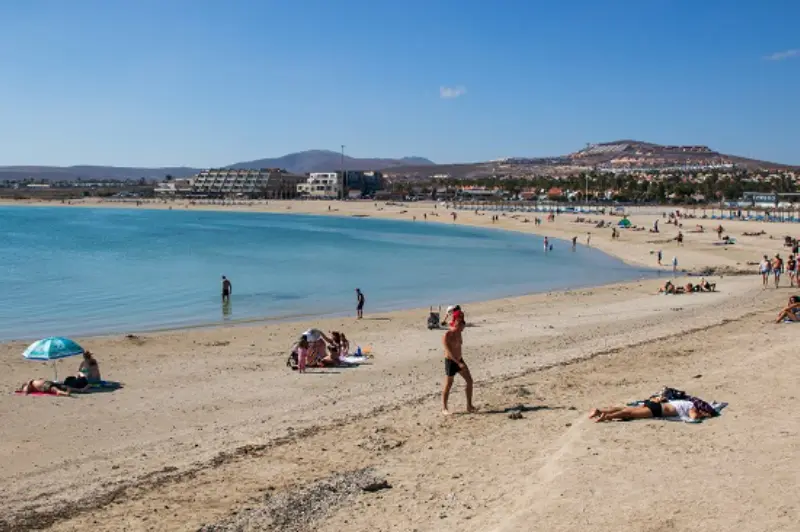
A hotel or apartment is not a failure of a camping trip. It can reduce pressure on limited facilities, give you a weather fallback and make laundry, charging and showering easier. Mixed itineraries are often more comfortable and more compliant than trying to make every night an outdoor overnight.
Safety checklist before each night
- Confirm the exact legal status of the site.
- Save the permit or reservation offline.
- Check wind, rain, heat and fire alerts.
- Arrive before dark if the access road is unfamiliar.
- Park without blocking roads, gates or emergency access.
- Keep food and rubbish secure.
- Know where the nearest fuel station, water source and emergency help are.
- Leave no furniture, stones, fire rings or other traces behind.
Insurance, breakdowns and rental contracts
Read the rental agreement before collecting a campervan. Check excess, tyre and glass cover, roadside assistance, restrictions on unpaved roads and whether overnight use outside authorised areas could invalidate parts of the contract. Photograph existing damage and confirm how to contact the rental company outside office hours.
A breakdown in a remote area is more than an inconvenience. Keep a charged phone, offline map, drinking water and the emergency number 112. Do not attempt to sleep on a dangerous roadside because the planned campsite is full; switch to a legal alternative or conventional accommodation.
Useful internal guides
Compare island rules in the broader Canary Islands camping and campervan guide.
Continue planning with Fuerteventura road trip, Fuerteventura hiking guide, driving in the Canary Islands, where to stay in Fuerteventura.

The button above is an affiliate link. WelcomeToCanaries may receive a commission if you book after using it, at no extra cost to you.
Frequently asked questions
Can I wild camp anywhere in Fuerteventura?
No. Do not treat open land or an empty beach as permission. Use authorised facilities or obtain the relevant permission, and always follow protected-area and municipal rules.
Can I sleep in a parked campervan?
The answer depends on the exact location and how the vehicle is used. Legal parking is not the same as establishing a campsite. Local signs, municipal rules and protected-area regulations must be checked.
Do official camping areas always have water and electricity?
No. Natural-area facilities can be very basic. Check the individual site page and plan to be self-sufficient if services are not explicitly listed.
Can I cook outside my van?
Only where and when the rules allow it. Fire restrictions, wind and protected-area regulations can prohibit outdoor cooking even if it was permitted on a previous visit.
Is a campervan cheaper than a hotel?
Not automatically. Rental price, insurance, fuel, ferry costs, campsite fees, water and service stops can make a campervan expensive. Choose it for the travel style, not only for assumed savings.
Final verdict
Camping and campervan travel in Fuerteventura can be excellent when it is built around authorised places rather than improvised overnight spots. Verify rules, reserve where required, respect weather and fire restrictions, manage waste correctly and keep a backup accommodation option. The less you rely on uncertainty, the more enjoyable the outdoor trip becomes.