
Adeje is often used as a label for the resort coast below it, but the historic town sits inland and has a very different personality from Costa Adeje. White façades, a traditional plaza, churches, old civic buildings and the dramatic entrance to Barranco del Infierno make it one of the easiest places in south Tenerife to add local history and a mountain backdrop to a beach-based holiday.
The appeal of Adeje is contrast. In less than half an hour you can move from a polished hotel promenade to a compact Canarian town where daily life still revolves around cafés, small shops and the central streets. It is not a museum town and it does not need a full sightseeing day, but it gives a beach holiday a sense of place. The town also works as a gateway to walking routes and rural hamlets on the south-western slopes.
Why visit Adeje?
Adeje suits travellers staying in south Tenerife who want culture and landscape without committing to a long cross-island drive. It is also useful for hikers, couples who prefer local evenings and repeat visitors who already know the resort coast. Families can combine a short old-town visit with an easier afternoon at the beach rather than turning it into an endurance sightseeing day.
The strongest reason to include Adeje is not to add another pin to the map. It is to create a different rhythm within a Tenerife trip. Build the visit around one or two things the place does particularly well, then leave enough time for a café, a walk or a change of plan if the weather shifts.
How long do you need?
For most travellers, a focused half-day is enough to understand the centre and one nearby highlight, while a full day allows a proper meal and a beach, walk or scenic drive. Staying overnight makes sense when the location improves the next morning’s logistics or when its evening atmosphere is part of the appeal. Do not add a hotel change simply to collect another base.
Best things to do in Adeje
Walk around Plaza de España and the historic centre
Start in Plaza de España, the natural heart of the old town. The church of Santa Úrsula and the former convent frame the historic core, while the surrounding streets reveal a more traditional side of the municipality than the resort coast. Walk slowly rather than following a rigid monument checklist; the scale is compact and the atmosphere is part of the experience. Morning is particularly pleasant before the streets become warmer.
See the old religious and civic buildings
Adeje preserves several important historic buildings, including Santa Úrsula and the convent complex. Even if you are not especially interested in church architecture, these landmarks help explain the town’s development and why Adeje was an important settlement long before modern tourism transformed the coast below. Opening hours can vary, so treat interiors as a bonus rather than planning an entire day around one door being open.
Plan Barranco del Infierno carefully
The Barranco del Infierno is one of the best-known walks in the municipality and begins close to town. Access can be regulated and conditions can change, so check the official booking and safety information for your exact date rather than relying on an old timetable. Wear proper footwear, carry water and do not schedule the walk immediately before a fixed airport or restaurant reservation. For more ideas, see our best hikes in Tenerife.
Combine Adeje with the south-west coast
After the old town, it is easy to continue to Costa Adeje, La Caleta or another south-western beach. This is a good example of how to structure a Tenerife day: one cultural stop, one walk or viewpoint, then a flexible coast afternoon. The Tenerife beaches guide can help you choose a shore based on wind and sea conditions rather than fame alone.
Use Adeje as a launch point for the west
Adeje sits well for a day that continues toward Santiago del Teide, Los Gigantes or the Teno side of the island. Do not try to combine every western highlight in one route. Pick one major destination, leave room for viewpoints, and use our Tenerife day-trip guide to build a route that does not end with a long, tired drive after dark.
Where to stay
Stay in Adeje town if you want a quieter base, local evenings and easier access to inland walking routes. Stay in Costa Adeje if beach access, family facilities and resort convenience matter more. The two areas are close enough to combine, but they feel very different after dinner. If you are unsure, read our Costa Adeje guide and where to stay in Tenerife before booking.

When comparing accommodation, look at the exact map position rather than the destination name. On the Canary Islands, two properties in the same municipality can sit at very different elevations or on opposite sides of a ravine. Check parking, walking distance to dinner, road access after dark and whether you will realistically use the facilities you are paying for.
Getting there and getting around
A car is useful but not essential. Buses connect the municipality with the main southern resort areas, and taxis make the short journey between Adeje town and the coast straightforward. A car becomes more valuable if you are continuing into the mountains, visiting small villages or combining Adeje with Teide or the west coast. Parking is easier away from the oldest streets; avoid treating narrow residential lanes as shortcut routes.
For driving days, download an offline map and keep enough fuel for detours. Road closures, events or weather can make a simple route slower. If using buses, check the current timetable for your travel date rather than a screenshot from an old article. Taxis are useful for short gaps but should not be assumed available instantly in every small settlement.
Beaches, walking and outdoor safety
Outdoor plans should always follow conditions on the day. The Atlantic can change quickly, and cliffs, ravines or volcanic surfaces may be more demanding than they look in photographs. Respect beach flags, barriers and protected-area signs. Never climb over a closure for a viewpoint or enter the sea simply because other people are swimming.
For walking, use shoes with grip, carry water and sun protection, and tell someone your plan if the route is remote. On higher ground, take a light insulating or windproof layer. If a trail or protected site uses permits or timed access, the official authority for that area is the final source, even when an older guide says access is free.
Where and what to eat
Adeje is a better place than the resort strip to look for an ordinary Canarian lunch. Try papas arrugadas with mojo, grilled meat or fish, local cheeses and simple daily menus. The advantage is not that every restaurant is “authentic”; it is that the town has more places serving residents as well as visitors. For dinner, the resort coast has more choice, while the old town is calmer and often better for an unhurried meal.
A practical way to eat well is to make lunch the flexible anchor of the day. Choose a town or harbour where you already plan to stop, then look for a menu that includes local dishes rather than driving across the island to a restaurant seen on social media. Book only if the meal itself is a priority; otherwise flexibility is more valuable on a road trip.
Best time to visit
South Tenerife is generally drier and sunnier than the north, but Adeje town sits above sea level and can feel cooler or breezier than the coast. If you are walking into a ravine or climbing inland, carry more water than you would for a promenade day. For Teide, pack a real layer: mountain conditions are not an extension of beach weather.
The Canary Islands work year-round, but season is only part of the story. Wind direction, cloud on high ground, swell and local events can have more impact on one day than the average monthly temperature. Use our best time to visit the Canary Islands guide for the broader picture, then check the local forecast close to travel.
Best day trips from Adeje
From Adeje, the easiest contrasting day trips are Teide National Park, the west coast around Los Gigantes and the mountain villages toward Teno. Teide needs altitude planning and, for some routes, reservations; Los Gigantes is easier and combines naturally with boat trips or a coastal lunch. If you are heading to Masca, check current access and transport rules first using our Masca guide.
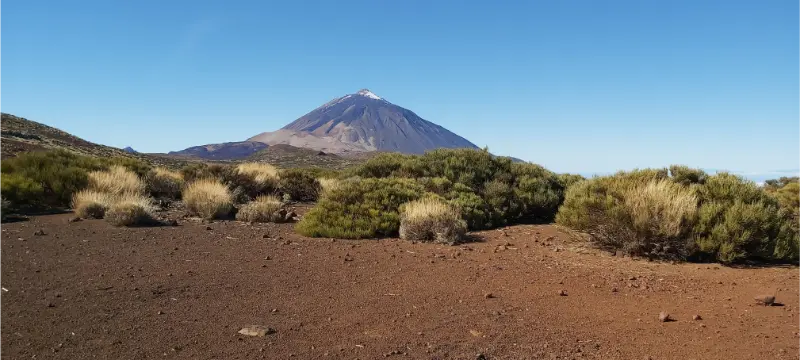
Keep each day geographically coherent. The islands look small on a map, but mountain roads, viewpoints, parking and lunch stops stretch journey times. A good day trip usually has one major objective, one flexible secondary stop and a simple route back to your base.
A simple one-day plan
- Start early enough to enjoy the main sight before the busiest period
- Walk the centre or waterfront before adding a long drive
- Have lunch locally rather than eating in the car
- Choose one beach, trail or scenic route for the afternoon
- Keep sunset flexible and avoid a tired mountain drive after dark
This structure is deliberately loose. It gives you enough direction to use the day well while leaving space for weather, a longer lunch or an unexpected stop. If the main outdoor activity is not suitable, replace it with the town, a museum, a sheltered coast or a shorter drive rather than forcing the original plan.
Common mistakes to avoid
The main mistake is assuming “Adeje” means one continuous resort. Historic Adeje, Costa Adeje and the rural upper municipality each require a different plan. Another mistake is booking a demanding walk and then filling the rest of the day with timed attractions. Leave margin for heat, parking and a relaxed meal.

- Planning by straight-line distance instead of actual driving time
- Assuming every famous beach is suitable for swimming
- Leaving regulated trails or ferry tickets until the last minute
- Parking in residential or protected areas because official parking is full
- Putting luggage, cameras or passports on display in a parked car
- Filling the day with so many stops that meals and weather flexibility disappear
Practical tips before you go
- Save accommodation, parking and meeting points offline
- Carry water even on short walks
- Keep a light layer in the car
- Use sun protection throughout the year
- Check sea, wind and trail conditions the same morning
- Leave at least one hour of unscheduled time in a full sightseeing day
- Respect local residents, private property and protected landscapes
The most reliable travel habit in the Canaries is to verify variable information close to the visit. Ferry schedules, trail access, road controls, attraction opening times and beach conditions can all change. Use articles for planning ideas and official sources for the final operational details.
Frequently asked questions
Is Adeje worth visiting?
Yes if its particular mix of local atmosphere, landscape and practical location matches your route. It is not necessary to visit every named town on the island. Adeje works best when it adds contrast to the places you are already seeing rather than creating a detour for its own sake.
Do you need a car?
Not always for the centre itself, but a car is usually the easiest way to combine Adeje with surrounding natural areas and smaller villages. If you do not drive, build the day around current bus routes, taxis and organised excursions rather than trying to reproduce a car itinerary exactly.
Is it good for families?
It can be, especially when you keep the day simple. Choose one main activity, allow a real lunch break and use the beach or a short walk as flexible time. With children, sea conditions and road time matter more than the number of attractions completed.
Can you visit as a day trip?
Yes. For most visitors a day trip is the easiest way to include Adeje. Start from the nearest logical base, avoid crossing the whole island twice and stay long enough to experience the place rather than stopping only for a photograph.
What should you pack for the day?
Comfortable shoes, water, high-SPF sunscreen, sunglasses, a hat and a light windproof layer cover most situations. Add swimwear for coastal plans and a warmer layer for high-altitude routes. Keep booking confirmations or ferry tickets available offline.
Final advice
Adeje is most rewarding when you let it be itself. Do not judge it by the number of attractions within walking distance. Use the town, village or resort as a base for the landscape around it, give meals and viewpoints enough time, and keep one part of the day unplanned. That is often where the Canary Islands feel least like a checklist and most like a real journey.
Best planning rule: choose one reason to come, one nearby experience to add, and enough free time to enjoy the place between them.